Over the past decade, the gambling industry has undergone a profound transformation. Once confined to physical casinos and private betting slips, gambling is now deeply embedded in digital culture. Platforms like Twitch, YouTube, Kick, and TikTok have given rise to a new category of content creator: the gambling influencer, reflecting broader shifts toward cross-platform gambling and seamless play between mobile, desktop, and smart TVs.
Through live streams, sponsored videos, affiliate links, and curated “big win” highlights, these creators shape how audiences perceive online casinos and betting platforms.
The relationship between streaming and gambling is not merely entertainment-driven, it directly influences player choices, expectations, and behavior. Understanding how this ecosystem works is essential for viewers navigating the increasingly blurred line between performance and reality.
The Rise of Gambling Content in the Streaming Era
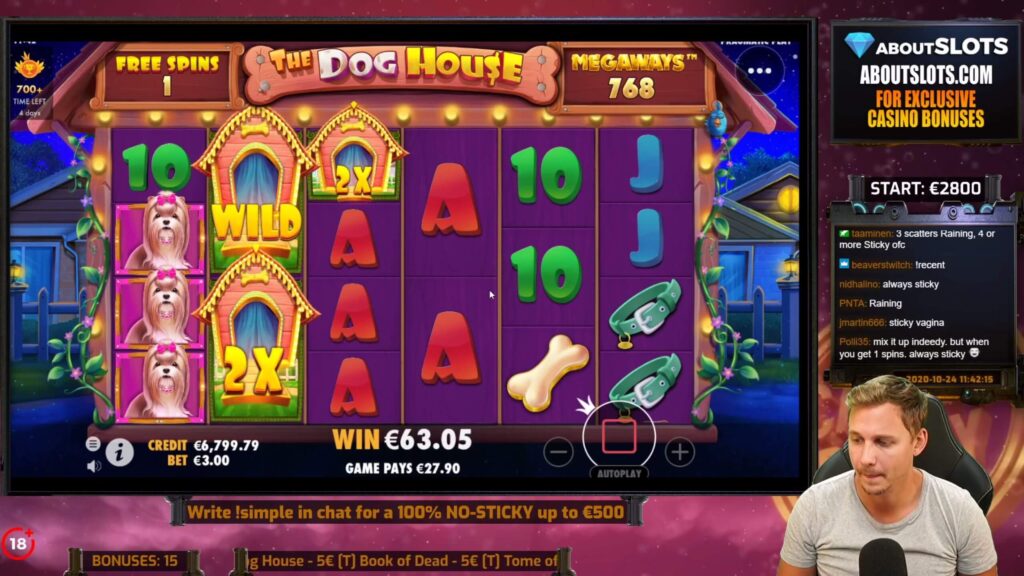
Live streaming has redefined how audiences consume gambling content. Unlike traditional advertisements, gambling streams offer real-time reactions, emotional highs and lows, and a sense of communal participation via chat interactions.
When viewers watch a streamer play slots or place sports bets live, they experience:
- Emotional contagion: Excitement, suspense, and celebration become shared experiences.
- Social proof: Seeing thousands of viewers validates the activity.
- Parasocial bonding: Viewers feel personally connected to the creator.
These elements create a powerful environment. Gambling is no longer just a solitary activity; it becomes entertainment and social engagement rolled into one. This transformation makes the influence of creators significantly more impactful than traditional advertising.
Sponsored Content and the Economics of Influence
Most gambling streams are not casual, unsponsored play sessions. Many creators partner directly with online casinos. These partnerships typically include:
- Sponsored bankrolls (the casino provides funds to gamble)
- Affiliate links (creators earn commissions from viewer sign-ups)
- Revenue-sharing agreements
- Performance-based incentives
Affiliate marketing is especially influential. When viewers sign up using a creator’s link, the influencer often earns a percentage of the losses or net revenue generated by that player. This model raises ethical considerations: the more a viewer gambles (and potentially loses), the more the influencer may earn.
While many influencers disclose their partnerships, the clarity and prominence of those disclosures vary widely. Some place disclaimers in video descriptions, while others mention sponsorship verbally. However, disclosures may be easy to miss, especially during fast-paced live streams.
Entertainment vs. Reality: The Illusion of Big Wins
One of the strongest influences on viewer behavior is the presentation of outcomes. Streams often highlight:
- Massive jackpot wins
- Bonus rounds triggering in quick succession
- Dramatic comebacks from near-zero balances
This content is highly shareable and algorithm-friendly. Platforms reward emotionally engaging material, which often means emphasizing the highs rather than the losses.
In reality, gambling outcomes are governed by random number generators (RNGs) and statistical probabilities. Over time, the house maintains an edge. But in streaming environments:
- Losses may be downplayed.
- Sponsored bankrolls may cushion risk.
- Selective editing amplifies positive outcomes.
The result is a skewed perception. Viewers may subconsciously overestimate their chances of winning and underestimate long-term losses.
The Role of Parasocial Relationships
Parasocial relationships – one-sided bonds viewers form with creators – play a crucial role in shaping gambling behavior.
When viewers:
- Identify with a streamer’s personality
- Trust their recommendations
- Feel part of the streamer’s “community”
They are more likely to follow the streamer’s casino recommendations or replicate their betting strategies.
Unlike traditional celebrity endorsements, gambling influencers often engage directly with audiences in live chat, read comments aloud, and respond to questions in real time. This level of intimacy strengthens perceived authenticity -even when the session is sponsored.
Transparency and Affiliate Disclosures
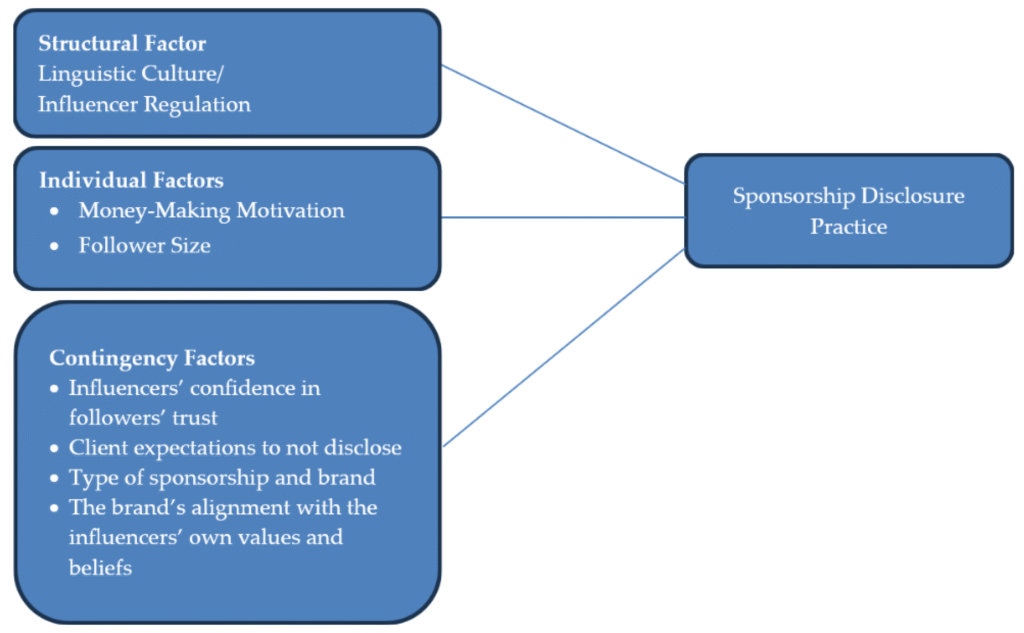
Transparency is central to ethical influence.
Clear disclosures should include:
- Whether the bankroll is provided by the casino
- If the creator earns from affiliate sign-ups
- Whether gameplay uses real funds
- If special account settings are involved
However, disclosure practices vary. Some creators display clear on-screen disclaimers throughout the stream. Others bury the information in text descriptions or make brief verbal mentions.
For viewers, this means actively checking:
- Video descriptions for affiliate disclosures
- Stream overlays indicating sponsorship
- Creator statements about bankroll origins
Without proactive scrutiny, it is easy to assume the gameplay reflects a typical user experience.
The Algorithmic Amplification Effect
Platforms like YouTube and TikTok use recommendation algorithms to promote high-engagement content. Dramatic wins, emotional reactions, and eye-catching thumbnails are more likely to be recommended.
This creates an amplification loop:
- Big wins generate strong viewer reactions.
- The platform promotes the video.
- More users watch and associate gambling with excitement.
- New viewers may be inspired to try the casino.
The algorithm does not distinguish between entertainment and behavioral impact. Its goal is engagement. As a result, gambling content can spread rapidly – even among audiences that were not actively seeking it.
Behavioral Psychology at Play
Gambling streams activate several psychological triggers:
- Intermittent reinforcement – Unpredictable rewards drive engagement.
- Fear of missing out (FOMO) – Watching others win can create urgency.
- Loss normalization – Seeing frequent bets reduces perceived risk.
- Optimism bias – Viewers believe they may replicate successes.
When combined with charismatic personalities and community interaction, these triggers can meaningfully shape user decisions.
Some viewers may begin with curiosity and escalate to real-money play quickly. The transition from spectator to participant can feel natural and frictionless -especially when affiliate links are prominently displayed.
Regulation and Platform Responses
Streaming platforms have periodically updated their policies regarding gambling content. Twitch has implemented restrictions on certain unlicensed casino streams. Other platforms require clearer sponsorship disclosures.
However, enforcement varies globally, and new platforms emerge offering fewer restrictions. The ecosystem remains dynamic, and regulatory standards are still evolving.
In many jurisdictions, gambling advertising must include responsible gambling messaging. Influencers may incorporate:
- Age restrictions (18+ or 21+)
- “Gamble responsibly” reminders
- Links to support organizations
But the tone and frequency of these messages can differ significantly.
How Viewers Can Critically Evaluate Gambling Content
Given the powerful influence of streaming and influencer marketing, viewers should adopt a critical mindset.
1. Distinguish Performance from Personal Experience
Remember that streamers are entertainers. Their sessions may involve:
- Sponsored funds
- Negotiated bonuses
- Higher-than-average deposit sizes
Your financial circumstances and risk tolerance may be different.
2. Look for Clear Disclosures
Check whether:
- The stream is sponsored
- Affiliate links are present
- The bankroll is provided
Transparency is a key indicator of credibility.
3. Understand Probability
Big wins are memorable, but rare. Casinos operate with built-in house edges, and practical factors like how quickly you can actually withdraw your money often matter more than short-term wins.
4. Set Personal Boundaries
If you choose to gamble:
- Establish spending limits
- Treat gambling as entertainment, not income
- Avoid chasing losses
5. Avoid Emotional Decision-Making
If a streamer’s win triggers excitement or urgency, pause. Emotional momentum is not a reliable basis for financial decisions.
The Dual Nature of Gambling Content
It is important to acknowledge that gambling streams can provide genuine entertainment. Many viewers watch purely for excitement, humor, and community interaction – without ever placing a bet.
Content creators may also advocate responsible gambling and maintain transparency. The issue is not inherently the existence of gambling streams, but the need for:
- Honest disclosure
- Realistic portrayal of risk
- Viewer awareness
Like many industries influenced by social media, gambling content exists within a spectrum, from ethical entertainment to aggressive promotion.
Conclusion: Influence in the Digital Age
Streaming has fundamentally reshaped how gambling is marketed and perceived. Through live streams, sponsored sessions, affiliate partnerships, and algorithmic promotion, influencers have become powerful intermediaries between casinos and players.
They shape not only brand awareness but also expectations, emotional responses, and behavior.
For viewers, critical evaluation is essential. Recognizing the entertainment element, understanding financial incentives behind sponsorships, and maintaining personal boundaries can help reduce the risk of distorted perceptions.
In the end, gambling streams reflect a broader truth about digital influence: content creators do more than entertain, they shape decisions. Awareness, transparency, and informed skepticism are the best tools audiences have in navigating this rapidly evolving space.
Sources: