
The rapid rise of online casinos has transformed gambling into a seamless, always-available digital experience. With just a few taps, players can place bets, claim bonuses, and spin virtual reels. But beneath this convenience lies a growing debate: are some of these platforms intentionally designed to manipulate user behavior?
At the center of this discussion is the concept of casino dark patterns—design strategies that subtly push users toward decisions they might not otherwise make. While all businesses aim to optimize engagement and revenue, critics argue that certain techniques in gambling platforms cross an ethical line, especially when they exploit psychological vulnerabilities.
This article explores the mechanics, ethics, and future of manipulative gambling design, offering a balanced perspective on both industry practices and player responsibility.
1. What Are “Dark Patterns” in Digital Design?
“Dark patterns” refer to user interface (UI) and user experience (UX) design choices that intentionally steer users toward specific actions—often at the expense of their autonomy or best interests. The term was popularized in the early 2010s and has since become a focal point in discussions about digital ethics.
These patterns are not inherently illegal, but they exist in a gray area between persuasion and manipulation. In general digital environments, examples include:
- Pre-selected checkboxes for subscriptions
- Hidden cancellation options
- Misleading button labels (e.g., “Continue” meaning “Agree and Pay”)
In the context of gambling, however, the stakes are significantly higher. Financial loss, addiction risks, and emotional distress make gambling UX ethics far more sensitive than typical e-commerce scenarios.
The key distinction lies in intent and impact, especially when compared to why some casino platforms feel more trustworthy. A design becomes a dark pattern when it exploits cognitive biases or emotional states in ways that reduce informed consent.
2. Examples in Online Casinos

Online casinos are particularly fertile ground for these design techniques, as their business model depends on sustained engagement and frequent transactions. Some of the most commonly cited examples of casino dark patterns include:
Auto-Selected Bonuses
Many platforms automatically select bonus offers, such as deposit matches or free spins, during the payment process. While these offers appear attractive, they often come with complex wagering requirements.
Users may not fully understand that:
- Bonuses can lock funds until conditions are met
- Withdrawals may be restricted
- Additional spending may be required to “unlock” winnings
By pre-selecting these options, casinos reduce friction and increase the likelihood that players accept terms without careful review.
Countdown Timers and Urgency Cues
Time-limited offers are a staple of digital marketing, but in gambling, they can amplify impulsive behavior.
Examples include:
- “Claim your bonus in the next 60 seconds!”
- Flashing countdown clocks during promotions
- Limited-time jackpots or tournaments
These features create a false sense of urgency, pressuring users to act quickly rather than thoughtfully. For individuals prone to impulsive decision-making, this can lead to overspending.
Flashing Wins and Near-Miss Effects
Visual and auditory feedback plays a powerful role in shaping user behavior. Online slot games often use:
- Bright animations for small wins
- Celebratory sounds even when net losses occur
- “Near-miss” visuals (e.g., two jackpot symbols and one just above the line)
These elements exploit well-documented psychological effects, making players feel more successful than they actually are. Over time, this can distort risk perception and encourage continued play.
Complex Withdrawal Processes
While deposits are typically streamlined, withdrawals can be intentionally cumbersome. Common tactics include:
- Requiring multiple verification steps
- Burying withdrawal options deep within menus
- Encouraging players to “play a little more” before cashing out
This asymmetry – easy in, difficult out—is a hallmark of manipulative gambling design.
3. Psychological Influence Techniques
To understand why these designs are effective, it’s important to examine the psychological principles they leverage.
Loss Aversion
Humans tend to feel losses more intensely than gains. Casinos exploit this by framing bonuses and promotions as opportunities players might “miss out” on.
For example:
- “Don’t leave your bonus unused!”
- “You’re just one spin away from unlocking your reward!”
These messages encourage continued engagement to avoid perceived loss.
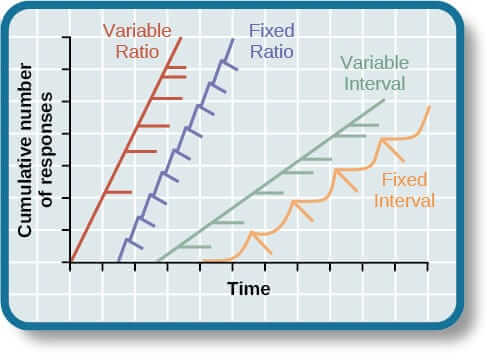
Variable Reward Schedules
One of the most powerful behavioral mechanisms in gambling is the variable reward schedule – the same principle used in slot machines and even social media notifications.
Rewards are unpredictable, which increases dopamine release, reinforces repeated behavior, and makes stopping more difficult – similar to why casino features keep players coming back.
When combined with engaging visuals and sounds, this creates a highly immersive experience that can blur the line between entertainment and compulsion.
Cognitive Overload
Complex terms and conditions, especially for bonuses, can overwhelm users. When faced with too much information, people tend to:
- Skim or ignore details
- Rely on default options
- Make quicker, less informed decisions
This is where casino dark patterns become particularly effective – by presenting choices in ways that discourage careful analysis.
The Illusion of Control
Features like “stop reels,” “choose your bonus,” or “pick a card” give players a sense of agency. In reality, outcomes are determined by algorithms.
This illusion can:
- Increase engagement
- Encourage risk-taking
- Reinforce belief in personal skill
Even when players intellectually understand the randomness, the emotional experience can suggest otherwise.
4. Where Regulation Steps In
As awareness of gambling UX ethics grows, regulators are beginning to take action.
Regulatory Bodies and Guidelines
Authorities in jurisdictions such as the UK, EU, and parts of North America have introduced measures to curb manipulative practices. These include:
- Banning misleading bonus promotions
- Requiring clear disclosure of wagering requirements
- Limiting autoplay features in slot games
- Enforcing “reality checks” (e.g., time and spending alerts)
Some regulators have explicitly addressed dark patterns, recognizing their potential to harm vulnerable users.
Design Restrictions
Certain UI elements are now under scrutiny or outright prohibited, such as:
- Celebratory effects for net losses
- Fast spin features that increase betting speed
- Reverse withdrawals (canceling a withdrawal to keep playing)
These changes aim to create a more transparent and less exploitative environment.
Challenges in Enforcement
Despite progress, regulation faces several challenges:
- Global platforms operating across multiple jurisdictions
- Rapid innovation in UX design outpacing legislation
- Ambiguity in defining what constitutes a dark pattern
Balancing consumer protection with industry growth remains a complex task.
5. How Players Can Protect Themselves
While systemic change is crucial, players also have tools to navigate these environments more safely.
Awareness and Education
Understanding how manipulative gambling design works is the first line of defense. Players should:
- Read bonus terms carefully
- Be skeptical of urgency-based offers
- Recognize emotional triggers
Awareness reduces the effectiveness of these techniques.
Setting Limits
Most reputable platforms offer responsible gambling tools, including:
- Deposit limits
- Loss limits
- Session time reminders
Using these features can help maintain control, even in highly engaging environments.
Taking Breaks
Continuous play increases susceptibility to cognitive biases. Regular breaks allow players to:
- Reassess decisions
- Regain perspective
- Avoid impulsive behavior
Choosing Ethical Platforms
Some operators prioritize transparency and user well-being. Indicators of ethical design include:
- Clear, simple terms and conditions
- Easy withdrawal processes
- Prominent responsible gambling features
Supporting such platforms can encourage broader industry change.
6. Industry Ethical Evolution
The conversation around casino dark patterns is part of a broader shift toward ethical design in technology.
From Growth to Responsibility
Historically, many digital platforms prioritized growth and engagement above all else. Today, there is increasing recognition that:
- Long-term trust is more valuable than short-term gains
- Ethical design can be a competitive advantage
- Users are becoming more informed and selective
The Role of Designers
UX designers are now at the forefront of this debate. Ethical questions include:
- Where is the line between persuasion and manipulation?
- Should designers be accountable for user harm?
- How can systems be designed to support informed choice?
Some professionals advocate for “humane design” principles that prioritize user well-being.
Emerging Standards
Industry groups and watchdog organizations are beginning to establish guidelines for gambling UX ethics, focusing on:
- Transparency
- Fairness
- User autonomy
While still evolving, these standards signal a shift toward more responsible practices.
Conclusion
The debate over casino dark patterns highlights a fundamental tension in digital design: the balance between business objectives and user well-being.
Online casinos, by their very nature, operate in a high-risk environment where design choices can have significant consequences. While many features enhance entertainment and engagement, others raise legitimate concerns about manipulation and fairness.
Ultimately, the future of the industry will depend on a combination of:
- Stronger regulation
- Ethical design practices
- Informed and empowered players
Rather than viewing all casino UX as inherently manipulative, it is more productive to recognize the spectrum, from benign persuasion to potentially harmful design. By continuing this conversation, stakeholders can work toward a more transparent, responsible, and sustainable gambling ecosystem.
Sources: