For years, casino bonuses followed a familiar formula. A welcome package sat at the top of the homepage, a reload offer appeared in the promotions tab, and VIP rewards were reserved for bigger spenders. Most players saw the same deals, with only minor differences based on country, payment method, or game preference.
That model is starting to change.
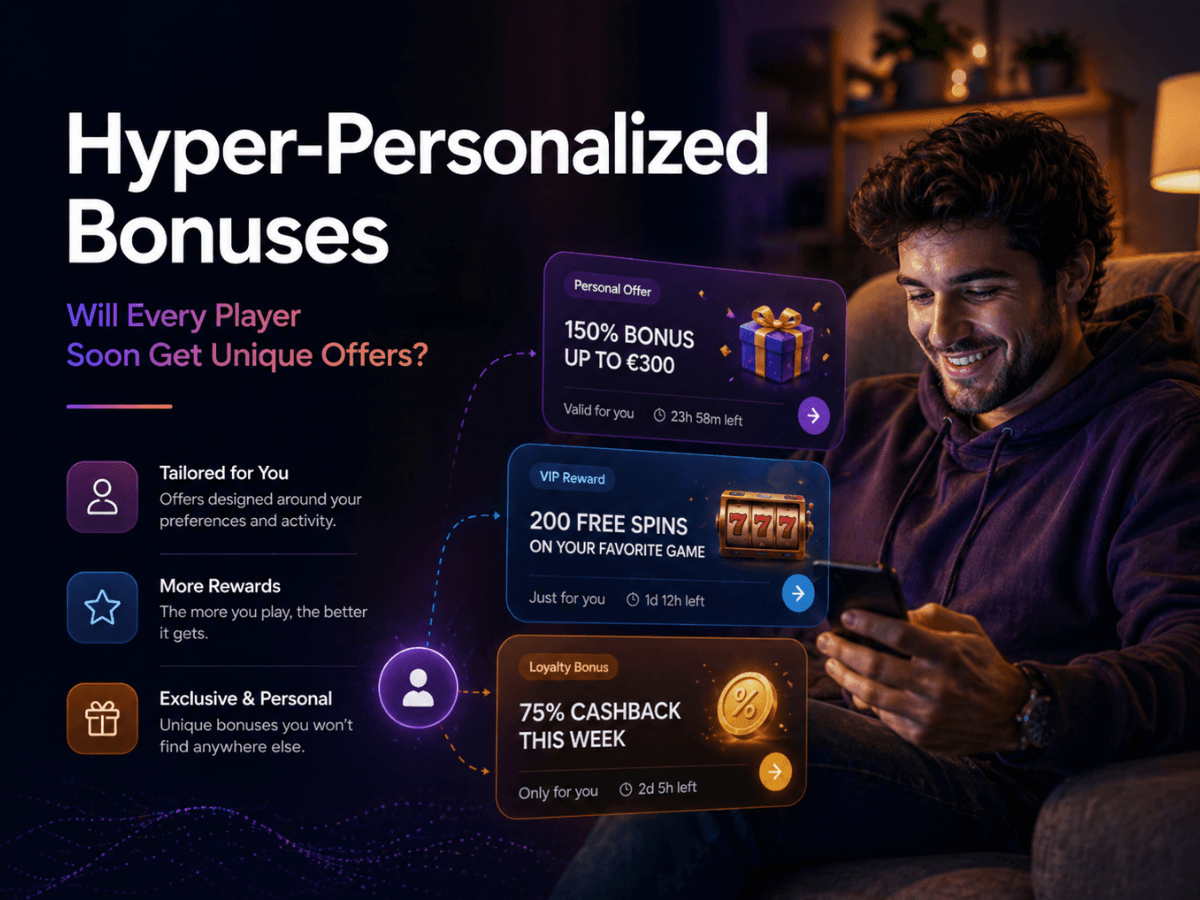
In 2026, online casinos are moving toward a world of hyper-personalized bonuses, where promotions are no longer built for everyone at once, but for each player individually. Instead of offering a standard “100% up to €200” deal to every new signup, platforms are beginning to experiment with behavior-based bonus generation, AI-segmented promotions, and even dynamic wagering requirements that adapt to how people actually play.
The result is a major shift in how bonuses are designed, delivered, and understood. Traditional promotions were broad and predictable. Hyper-personalized offers are narrow, targeted, and constantly changing.
This raises a big question: will every player soon get unique offers?
The answer is increasingly yes – but the bigger debate is whether that future will feel more useful, or more manipulative.
The End of One-Size-Fits-All Bonuses
Classic casino bonuses were built around scale. Operators created a few large offers and showed them to as many players as possible. This made sense in an earlier era of online gambling, when acquisition mattered more than precision.
But modern platforms collect enormous amounts of player data. They can now observe:
- what games you prefer
- how often you deposit
- how long your sessions last
- whether you respond better to free spins or bonus cash
- when you tend to stop playing
- which promotions you usually ignore
With that level of insight, the logic of mass-market bonuses starts to break down.
Why give every user the same reload offer if one player responds better to cashback, another to tournament entries, and another to low-risk free spins? Why keep a static promotions page if algorithms can generate offers more likely to convert in real time?
This is why hyper-personalized bonuses are becoming such an important trend. They promise higher efficiency for platforms and more relevant offers for players.
At least in theory.
Behavior-Based Bonus Generation
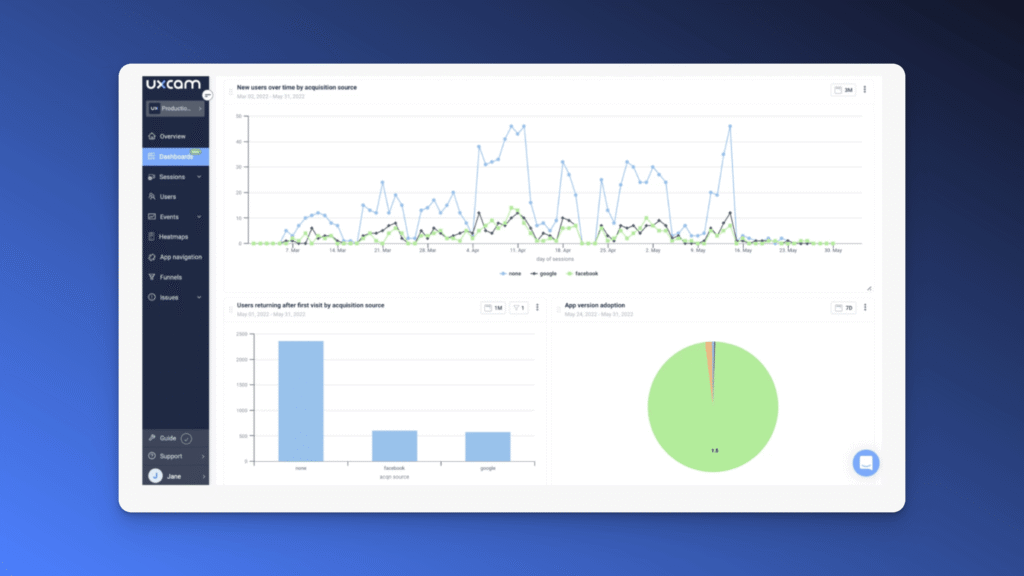
The foundation of this shift is behavior-based bonus generation.
Instead of assigning a player to a general bonus category, platforms increasingly track patterns and generate offers based on actual behavior. A user who prefers short, low-stakes slot sessions may receive a different bonus from someone who plays live blackjack several nights a week.
Examples of behavior-based logic might include:
- offering free spins on a player’s most-used slot provider
- sending a cashback bonus after repeated losing sessions
- triggering a low-wager reload bonus for someone who typically ignores high-rollover promotions
- creating weekend offers for players who only log in on Fridays and Saturdays
This system changes the meaning of a “bonus.” It is no longer just a marketing tool. It becomes a personalized retention mechanism.
The more accurately a platform understands player habits, the more precisely it can shape incentives.
That makes bonuses feel smarter, more relevant, and often harder to resist.
Dynamic Wagering Requirements
One of the most interesting developments is the possibility of dynamic wagering requirements.
Traditionally, wagering requirements are fixed. A bonus may come with 20x, 30x, or 40x rollover, regardless of who claims it. But in a personalized system, those conditions could begin to vary based on player profile.
A platform might decide that:
- a casual, low-risk player receives a lower wagering requirement
- a highly active player receives a larger bonus but with stricter playthrough conditions
- a returning player who previously ignored promotions gets a lighter, easier-to-clear bonus
- a high-frequency depositor receives a custom hybrid offer with reduced rollover and specific game eligibility
From the operator’s point of view, this is efficient. Why over-incentivize users who would deposit anyway? Why offer the same terms to someone highly engaged and someone at risk of leaving?
From the player’s point of view, though, dynamic wagering raises obvious questions.
If two users see different bonus terms for the same underlying behavior, is that smart customization — or hidden unfairness?
That tension is likely to become central to the next phase of bonus design.
AI-Segmented Promotions
What makes all this possible is segmentation powered by artificial intelligence, building on the same systems explored in AI-powered personalization in online casinos and how platforms learn your play style.
In older systems, player groups were broad: new users, active users, VIPs, inactive users. In newer systems, AI can build much narrower segments based on subtle patterns.
For example, a platform may detect:
- players who deposit often but avoid bonus pages
- users who engage more with missions than with direct rewards
- players whose session length increases after small wins
- users who respond best to urgency-based offers
- players likely to churn after three inactive days
This is where AI-segmented promotions become much more powerful than standard marketing logic. Instead of manually building offers for broad user groups, the platform can generate and deliver tailored incentives at scale.
It may no longer matter whether a bonus is technically labeled “welcome,” “reload,” or “cashback.” The real category becomes: which offer is most likely to change this specific player’s behavior right now?
That is a very different philosophy from the promotions pages most users are used to seeing.
The Pros: Relevance, Efficiency, and Better Fit
Supporters of hyper-personalized bonuses argue that they are simply more useful.
1. More Relevant Offers
Players no longer have to sort through irrelevant promotions. A slot-focused user sees slot offers. A live-casino player sees bonuses that make sense for table play. This reduces friction and increases clarity.
2. Less Bonus Waste
Operators avoid spending heavily on promotions that players never use. More efficient targeting means less bonus inflation and, potentially, better-designed offers.
3. Better User Experience
A player may feel the platform “understands” them better. Promotions arrive at the right time, with the right structure, and with fewer conditions that feel random or frustrating.
4. Potentially Lower Complexity
Ironically, personalization could make bonuses easier to understand for some users. Instead of browsing ten irrelevant promotions, players might see one or two offers that clearly fit their style.
In this optimistic view, hyper-personalized bonuses are simply the next step in modern UX.
The Cons: Fairness, Transparency, and Manipulation Risks
The criticism is just as strong.
1. Fairness Questions
If every player gets different offers, how do users know whether they are being treated fairly? A personalized system may be efficient, but it also makes comparison harder.
2. Reduced Transparency
Static bonus pages at least give players something visible and comparable. Once bonuses become dynamic, the system becomes harder to audit from the user side.
3. Behavioral Exploitation
The more a platform learns what motivates each player, the easier it becomes to push the right psychological button at the right time. This is where personalized promotions risk moving from convenience into manipulation.
4. Harder to Distinguish Value
In a world of constantly shifting offers, players may struggle to know whether a promotion is genuinely good or just well-targeted. A bonus may feel “special” because it is personalized, not because it is actually generous.
This is why the future of bonus personalization is not just a marketing story – it is also an ethics story.
Will Standard Bonus Pages Disappear?
One of the clearest long-term implications is that the traditional promotions page may lose importance.
Today, most casinos still present bonuses as public offers, similar to the retention-focused structures outlined in reload bonuses and loyalty rewards in 2025.
- welcome package
- reloads
- cashback
- VIP rewards
- special event promos
But if personalization keeps advancing, these static pages may become more symbolic than functional.
In the future, players may log in and see:
- custom bonus cards generated in real time
- personalized missions instead of broad promotions
- rewards triggered by behavior rather than schedule
- individual bonus dashboards that no other user sees
In that world, the idea of a single “standard offer” becomes outdated.
Casinos stop behaving like websites with bonus pages and start acting more like recommendation engines.
The Future: Bonuses as Adaptive Systems
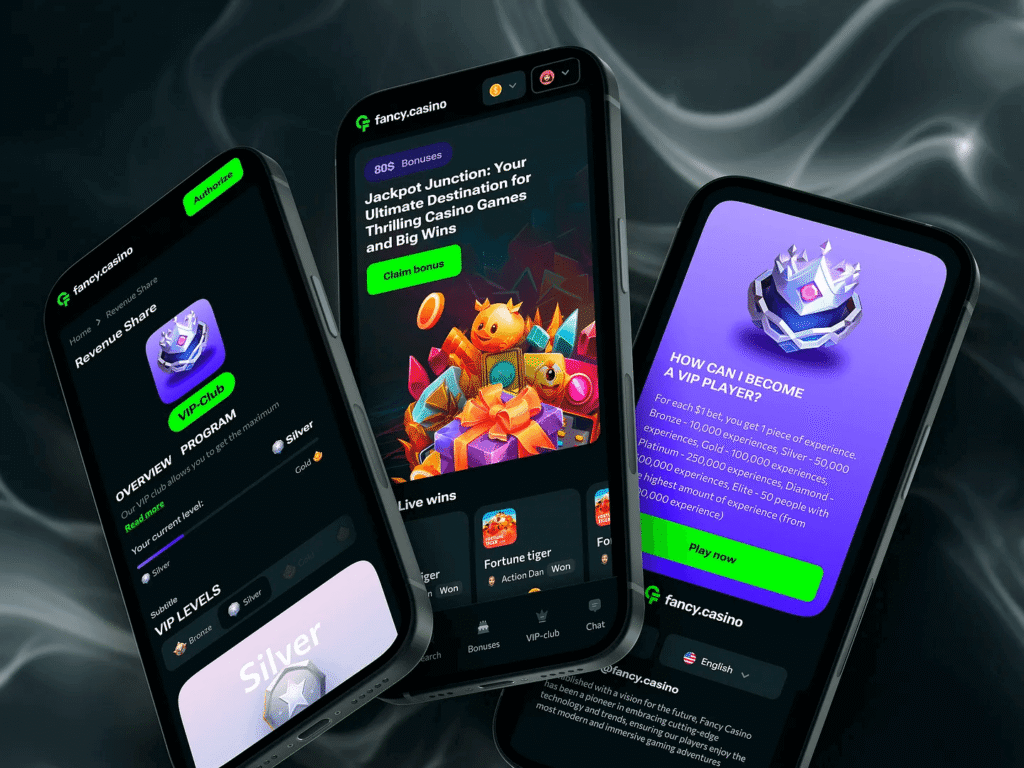
Looking ahead, the future of promotions may be less about offers and more about adaptive reward systems.
Instead of claiming a bonus once, players may move through an ongoing bonus environment where:
- rewards change according to play patterns
- wagering adjusts dynamically
- loyalty, missions, and cashback blend together
- AI predicts what kind of incentive is most effective next
This could make promotions more seamless, but also much less visible.
The danger is that when every offer is tailored, players may stop seeing bonuses as optional incentives and start experiencing them as part of the platform’s normal flow.
That is exactly what makes this trend so important.
Final Thoughts
The shift toward hyper-personalized bonuses reflects a wider transformation in online gambling. Platforms no longer want to offer the same reward to everyone. They want to build fully individualized systems shaped by data, segmentation, and behavioral prediction.
For players, this could mean more relevant and useful promotions. For operators, it means higher efficiency and better retention. But it also raises serious questions about fairness, transparency, and the growing power of personalized influence.
The future of bonuses may not be bigger offers. It may be smarter ones.
And if that happens, the old model of public, standardized promotions may slowly disappear.
In its place will be something more dynamic, more targeted, and far more personal.
The real question is not whether casinos can create unique offers for every player.
It’s whether players will always recognize what those offers are really designed to do.
Sources: