For decades, casinos – both physical and online – followed a simple formula: offer games, accept bets, pay out winnings. The experience was transactional. You logged in, played, and logged out.
But in 2026, that model is rapidly evolving.
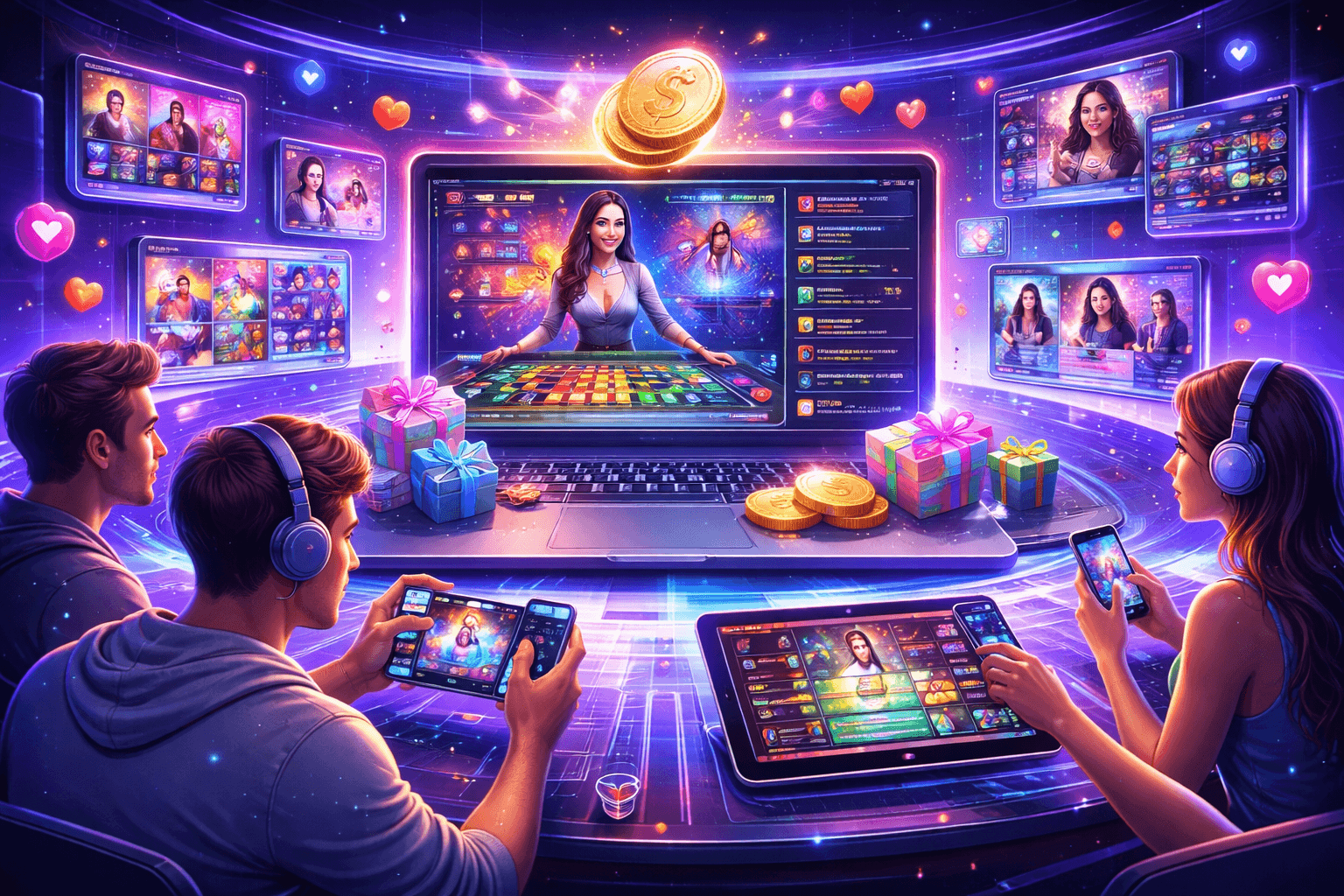
Modern casino platforms are no longer just places to gamble – they are becoming full-scale entertainment ecosystems, blending elements of gaming, social media, streaming, and digital communities into a single, always-on environment.
The result? A new kind of platform where gambling is just one piece of a much larger experience.
From Betting Sites to Multi-Product Platforms
The shift didn’t happen overnight. It emerged gradually as casinos responded to changing player expectations – especially among younger, digital-native audiences.
Today’s users don’t just want to play. They want to:
- Interact
- Compete
- Watch
- Share
- Belong
To meet this demand, casino platforms are expanding beyond traditional games into multi-product ecosystems.
What This Looks Like in Practice
A single platform might now include:
- Slots, table games, and live dealers
- Mini-games and skill-based formats
- Live streams and influencer content
- Player chats and community spaces
- Leaderboards, missions, and rewards
Instead of isolated sessions, players enter a continuous environment – one that feels closer to a game platform or social app than a classic casino.
The Integration of Mini-Games, Streams, and Chats
At the heart of this transformation is integration.
Mini-Games and Casual Content
Many platforms now offer lightweight, fast-paced games alongside traditional gambling:
- Arcade-style challenges
- Daily missions
- Bonus-based mini-games
- Skill-influenced formats
These features give players something to do between bets – or even instead of betting.
They reduce friction and create a sense of constant activity, making the platform feel alive even when you’re not wagering.
Streaming as Entertainment
Live streaming has become a major driver of engagement.
Players can now:
- Watch others play in real time
- Follow streamers or hosts
- Join live game shows
- Interact through chat
This transforms gambling into a spectator experience, similar to platforms like Twitch or YouTube Gaming.
Even when not actively betting, users remain engaged – watching, reacting, and participating.
Player Chats and Social Interaction

Perhaps the most important addition is community.
Modern casino platforms increasingly feature:
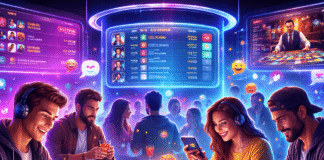
- Real-time chat during games
- Group discussions
- Friend systems and private messages
- Community challenges
This turns what was once a solitary activity into a shared experience.
Players are no longer just users—they’re participants in a digital space.
The Casino + Social + Gaming Hybrid
This hybrid model borrows heavily from gaming and social platforms, where engagement isn’t driven purely by outcomes, but by interaction and progression. A clear example of this can already be seen in Social Casino Apps – Why Players Love Them Even Without Real Money Wins, where entertainment and community take priority over traditional wagering.
As these features combine, casino platforms begin to resemble something new:
A hybrid between a casino, a game platform, and a social network.
Key Characteristics of This Hybrid Model
- Persistent presence: Players stay logged in longer, even without betting
- Multiple entry points: You can watch, chat, play, or compete
- Cross-feature interaction: Progress in one area influences another
- Identity and status: Profiles, levels, and achievements matter
This model borrows heavily from:
- Online multiplayer games
- Social media platforms
- Mobile gaming ecosystems
But it applies those mechanics to gambling environments.
Retention-Driven Ecosystems
At its core, this transformation is driven by one key objective: retention.
Traditional casinos focused on:
- Acquisition (getting players to sign up)
- Short-term play sessions
Modern platforms focus on:
- Keeping players engaged over time
- Increasing session length
- Encouraging repeat visits
How Ecosystems Improve Retention
- More reasons to log in
Daily missions, events, and streams create ongoing engagement.
- More things to do per session
Players can switch between games, chats, and content.
- Emotional investment
Progression systems and social connections build attachment.
- Reduced exit points
There’s always “one more thing” to explore.
Instead of a simple “play and leave” cycle, platforms create a loop of continuous engagement.
The Pros: More Value Per Session
From a player perspective, this shift offers real benefits.
1. Richer Entertainment Experience
Players get more than just gambling:
- Interactive content
- Social interaction
- Variety of activities
This makes sessions feel more like entertainment, not just wagering.
2. Reduced Boredom
Traditional casinos can feel repetitive.
Ecosystem platforms solve this by offering:
- Multiple game types
- Dynamic events
- Constant updates
There’s always something new to explore.
3. Social Connection
For many users, the biggest value is community.
- Sharing wins
- Competing on leaderboards
- Participating in group challenges
This adds a human layer that traditional online casinos often lacked.
4. Flexible Engagement
Players can choose how they engage:
- Active betting
- Casual play
- Watching streams
- Chatting with others
This flexibility makes the platform accessible to a wider audience.
The Cons: Blurred Lines Between Gaming and Gambling
However, this evolution also introduces new challenges.
1. Constant Engagement Loops
With more features comes more continuous stimulation.
Players may find it harder to:
- Recognize stopping points
- Take breaks
- Disconnect
The platform is designed to keep you engaged, not to let you leave easily.
2. Gamification of Gambling
By adding:
- Levels
- Rewards
- Missions
Casinos begin to resemble video games.
This can create a psychological shift, where players focus on progression rather than spending.
3. Social Pressure and Competition
Leaderboards and community features can introduce:
- Competitive pressure
- Desire to keep up with others
- Fear of missing out (FOMO)
This can subtly influence behavior and decision-making.
4. Blurred Identity of the Platform
When a casino becomes:
- A game
- A social network
- A streaming platform
It becomes harder for players to clearly define what they’re engaging with.
Is it entertainment? Gambling? Community?
In reality, it’s all three.
The Future: “Super-App” Casinos
Looking ahead, the trajectory is clear.
Casino platforms are evolving toward super-app models.
What Is a Casino Super-App?
A single platform that combines:
- Gambling
- Gaming
- Social interaction
- Payments
- Content consumption
All in one place.
This shift toward all-in-one platforms is closely tied to how players already move fluidly between devices and environments. As explored in Cross-Platform Gambling – How Seamless Play Between Mobile, Desktop, and Smart TVs Is Changing User Behavior, modern users expect continuity across every touchpoint – a key foundation for the rise of casino “super-apps.”
Features of Future Platforms
- Unified wallets across all activities
- Cross-device continuity (mobile, desktop, VR)
- AI-driven personalization
- Integrated streaming and events
- Persistent digital identities
Players won’t just visit these platforms – they’ll live inside them digitally.
Beyond Gambling
In the future, casinos may become:
- Entertainment hubs
- Social communities
- Interactive media platforms
Gambling will remain a core feature, but not the only one.
A New Kind of Digital Experience
The transformation of casino platforms reflects a broader trend across the digital world.
Users no longer want isolated experiences.
They want:
- Integration
- Continuity
- Community
- Engagement
Casino platforms are adapting by becoming ecosystems instead of products.
Final Thoughts: Opportunity and Responsibility
The rise of entertainment ecosystems brings both opportunity and responsibility.
For Players
- More engaging experiences
- Greater flexibility
- Stronger social connections
But also:
- More complex environments
- More continuous engagement
- Greater need for awareness
For Operators
- Increased retention
- Stronger user loyalty
- New revenue streams
But also:
- Ethical design challenges
- Responsibility for player well-being
- Need for transparency
Conclusion
Casino platforms in 2026 are no longer just about placing bets.
They are evolving into dynamic, multi-layered entertainment ecosystems where gambling, gaming, and social interaction merge into a single experience.
This shift changes not only how players engage, but how they think about gambling itself.
In this new landscape, the most successful platforms won’t be the ones with the biggest jackpots.
They’ll be the ones that create the most engaging, balanced, and sustainable environments.
Because in the end, the future of casinos isn’t just about winning money.
It’s about creating experiences people want to return to – again and again.
Sources: