
Cross-Platform Gambling – How Seamless Play Between Mobile, Desktop, and Smart TVs Is Changing User Behavior
Online gambling has never been more fluid than it is today. What was once a stationary, desktop-bound activity has evolved into an experience that follows players across devices, locations, and moments of the day. The modern gambler no longer thinks in terms of where they play, but when and how. A betting session might start on a laptop at home, continue on a smartphone during a commute, and end on a smart TV in the evening. This shift toward cross-platform gambling is not a minor usability upgrade—it is fundamentally reshaping player behavior, engagement patterns, and expectations.
At the heart of this evolution is one simple idea: continuity. Players want their accounts, balances, bonuses, and progress to move seamlessly with them, regardless of device. As technology matures and new platforms enter the space, gambling operators are being pushed to rethink design, infrastructure, and user experience in ways that were unthinkable just a decade ago.
The Rise of the Multi-Device Player

The average online gambler today uses more than one device. This is no longer the exception—it’s the norm. A desktop might still be the preferred choice for longer sessions, complex betting strategies, or live casino games. Mobile phones dominate short, frequent interactions: spinning slots during breaks, checking odds, or placing quick bets. Tablets sit somewhere in between, offering a relaxed, couch-friendly experience.
What’s changed is not just device availability, but user mindset. Players now expect gambling platforms to adapt to their routines, not the other way around. If a session ends unexpectedly—say, when leaving home or switching environments—users expect to resume exactly where they left off. The tolerance for friction is extremely low. Logging in again, reloading games, or manually tracking balances feels outdated in a world of instant syncing and cloud-based services.
This behavioral shift mirrors broader digital trends. Streaming services, productivity apps, and even mobile games have trained users to expect persistent experiences across screens. Gambling is simply catching up.
Mobile as the Behavioral Driver
While this article focuses on cross-platform play, it’s impossible to ignore the role mobile has played in setting new standards. Smartphones are now the primary touchpoint for many players, influencing how other platforms are designed and optimized.
In fact, I explored this transformation in depth in a previous piece, where I described how mobile-first gambling reshaped not just convenience, but how and when players engage. That same mobile-centric mindset is now driving the demand for seamless transitions between devices.
Mobile has conditioned players to expect:
- Instant access
- Biometric logins
- Fast payments and withdrawals
- Personalized content
- Minimal downtime
Any platform that breaks continuity between mobile and other devices risks alienating users who now see flexibility as a baseline requirement.
Evaluating Platform Continuity: Where Seamless Play Actually Works
Not all platforms deliver true cross-device continuity equally. While many operators claim seamless play, the reality often depends on how deeply continuity is built into the system.
Mobile and Desktop: The Strongest Link
The best continuity currently exists between mobile and desktop platforms. This is largely due to shared backend systems and cloud-based account management.
Top-performing platforms offer:
- Saved game states: Slot progress, bonus rounds, and unfinished sessions resume instantly
- Synced wallets: One balance across all devices, updated in real time
- Unified bonuses: Promotions and wagering requirements tracked consistently
- Consistent UX: Visual design and navigation feel familiar, even when optimized for different screen sizes
When done right, switching between mobile and desktop feels less like changing platforms and more like resizing the same experience.
However, weaker implementations still exist. Some casinos treat mobile as a secondary channel, resulting in missing features, limited game libraries, or delayed balance updates. Players quickly notice these gaps—and often abandon platforms that fail to meet expectations.
Tablets: The Underrated Middle Ground
Tablets are often overlooked in cross-platform discussions, yet they play an important role. For many users, tablets function as hybrid devices—portable like phones, but immersive like desktops.
Platforms that optimize specifically for tablets benefit from:
- Larger touch-friendly interfaces
- Better live casino visibility
- Enhanced comfort for longer sessions
When tablet experiences are merely stretched phone interfaces or shrunken desktop layouts, engagement suffers. But when thoughtfully designed, tablets become a preferred option for relaxed, in-home play.
Smart TVs: Gambling Enters the Living Room
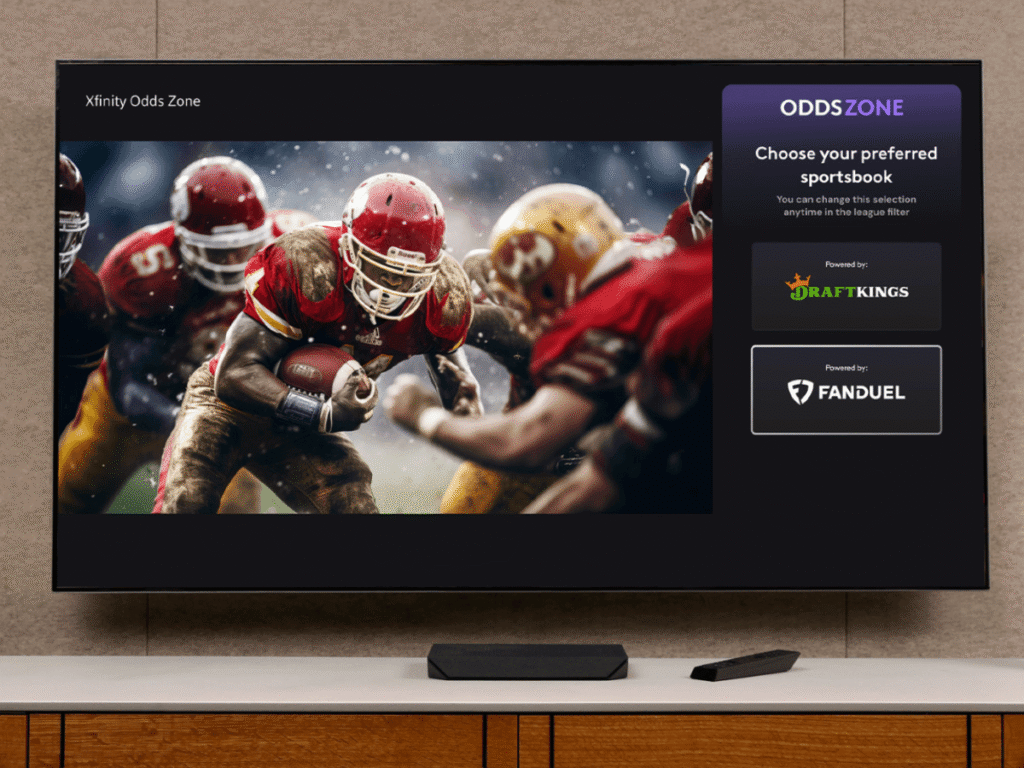
One of the most interesting developments in cross-platform gambling is the gradual entry of smart TVs. While still niche, TV-based gambling is growing, particularly in regions with strong smart TV adoption and reliable broadband infrastructure.
How Smart TVs Are Being Used
Smart TVs are not replacing mobile or desktop—they are complementing them. The most common use cases include:
- Live sports betting while watching games
- Live dealer casino games displayed on large screens
- Shared viewing experiences in social settings
In these scenarios, players often use a second device—usually a smartphone—for interaction, while the TV acts as the primary display. This “second-screen” model reduces friction and keeps input intuitive.
Impact on Engagement
Smart TVs change the feel of gambling. Sessions become more immersive and social, often lasting longer than mobile interactions. The living room environment encourages relaxed, lean-back play rather than quick, transactional betting.
However, smart TV platforms still face challenges:
- Limited app availability
- Slower input methods without second devices
- Inconsistent UX across TV brands and operating systems
As these hurdles are addressed, smart TVs may become a standard extension of cross-platform ecosystems.
New Device Frontiers: In-Car and Wearable Integration
Beyond TVs, even more unconventional devices are entering the conversation.
In-Car Entertainment Systems
Modern vehicles increasingly feature advanced infotainment systems with app ecosystems. While safety regulations restrict active gambling during driving, passengers—and parked users—represent a new engagement opportunity.
Potential use cases include:
- Checking odds and account balances
- Watching live events
- Preparing bets to be placed later on mobile
This expands gambling into previously untapped moments, further blurring the line between platforms and environments.
Wearables and Voice Interfaces
Wearables won’t host full gambling experiences, but they may serve as companion tools. Notifications for odds changes, bet results, or responsible gaming reminders could be delivered via smartwatches.
Voice assistants also present future possibilities, from account queries to controlled interactions—though regulatory and security challenges remain.
Consistent UX: The Hidden Driver of Trust
One of the most critical elements of cross-platform success is consistent user experience. Players don’t want to relearn navigation every time they switch devices. Familiar layouts, terminology, and visual cues reduce cognitive load and increase confidence.
Consistency builds trust in subtle ways:
- Users feel more in control
- Mistakes are less likely
- Transactions feel safer
When platforms fail to maintain consistency, friction increases—and trust erodes quickly.
How Cross-Platform Play Is Changing User Behavior
The behavioral impact of seamless play is significant:
- More frequent sessions: Players log in more often, even for short interactions
- Longer lifetime engagement: Reduced friction leads to sustained use
- Higher loyalty: Platforms that “just work” across devices retain users
- Contextual play: Users adapt play style to device and situation
Interestingly, players are not necessarily gambling more in volume—but they are gambling more flexibly. This shift favors platforms that respect time, context, and user intent.
Responsible Gaming in a Multi-Device World
Cross-platform access also raises new responsible gaming considerations. When access is constant, tools must be equally accessible.
Best-in-class platforms ensure that:
- Deposit limits sync across devices
- Session reminders appear everywhere
- Self-exclusion applies universally
Without this consistency, responsible gaming measures lose effectiveness.
Final Thoughts: Continuity Is the New Competitive Edge
Cross-platform gambling is no longer about offering multiple apps or devices—it’s about delivering one cohesive experience that adapts fluidly to the user’s life. Mobile set the expectation, desktop refined the depth, and smart TVs and emerging devices are expanding the ecosystem even further.
Players now judge platforms not by how flashy they look, but by how seamlessly they fit into daily routines. Saved progress, synced wallets, consistent UX, and device flexibility are no longer premium features—they are minimum requirements.
As technology continues to blur the boundaries between screens, the platforms that prioritize true continuity will shape the next generation of online gambling. Those that don’t will feel increasingly out of step with how players actually live, move, and play.
Sources: