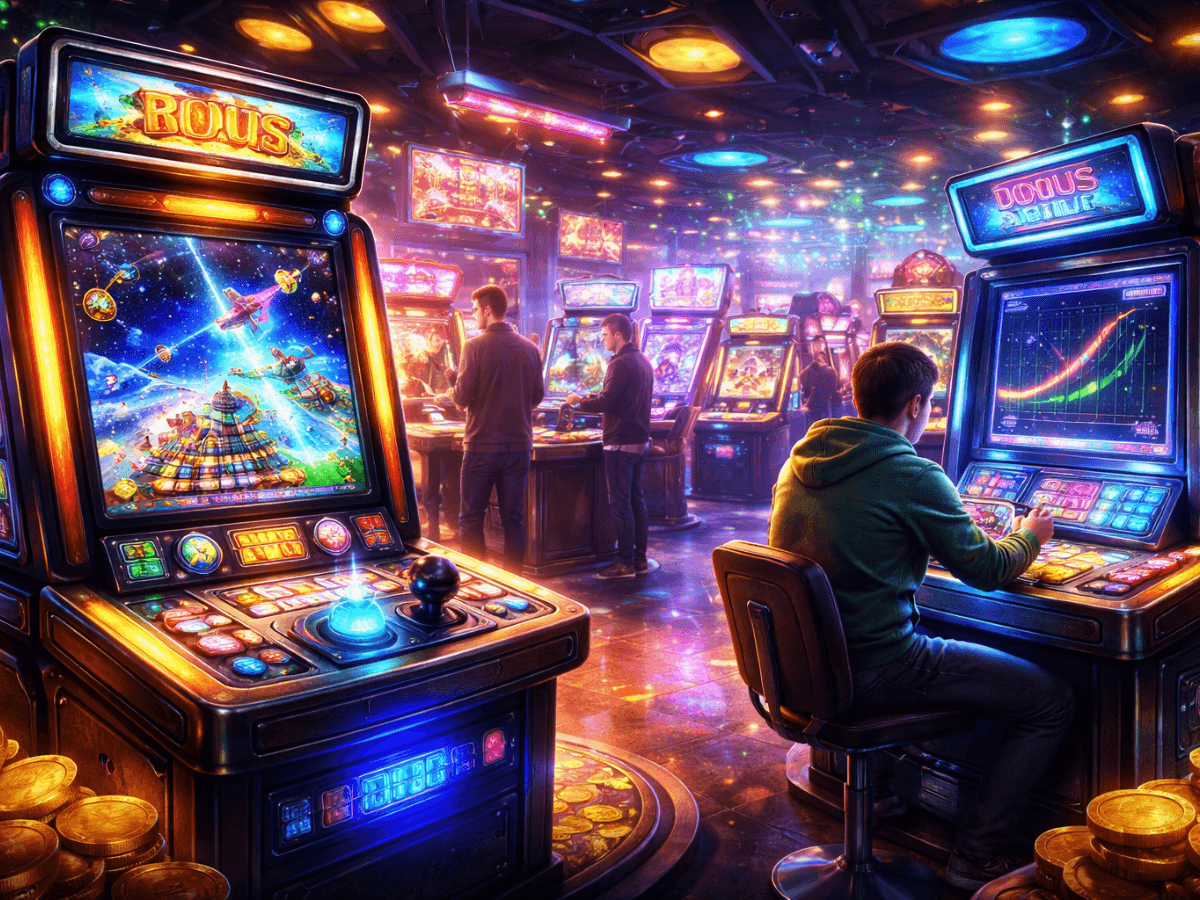
For decades, casino games followed a simple formula: players wager money, press a button or make a bet, and an outcome determined almost entirely by chance decides whether they win or lose. Slots spun, roulette wheels turned, cards were dealt, and the house edge quietly ensured casinos remained profitable. Then, as a new generation of players raised on video games began to show less interest in traditional slots, casinos responded with a new promise: skill-based casino games.
These games claim to blend gambling with player decision-making, reflexes, or strategy. Crash games, arcade-style gambling machines, and so-called “skill-influenced” slots are marketed as experiences where players can do better if they play smarter, faster, or more strategically. But how much of this is genuine skill—and how much is clever marketing?
This article explores the rise of hybrid casino games, explains where skill actually matters, where luck still dominates, and helps players set realistic expectations before risking their money.
The Rise of Skill-Based Gambling
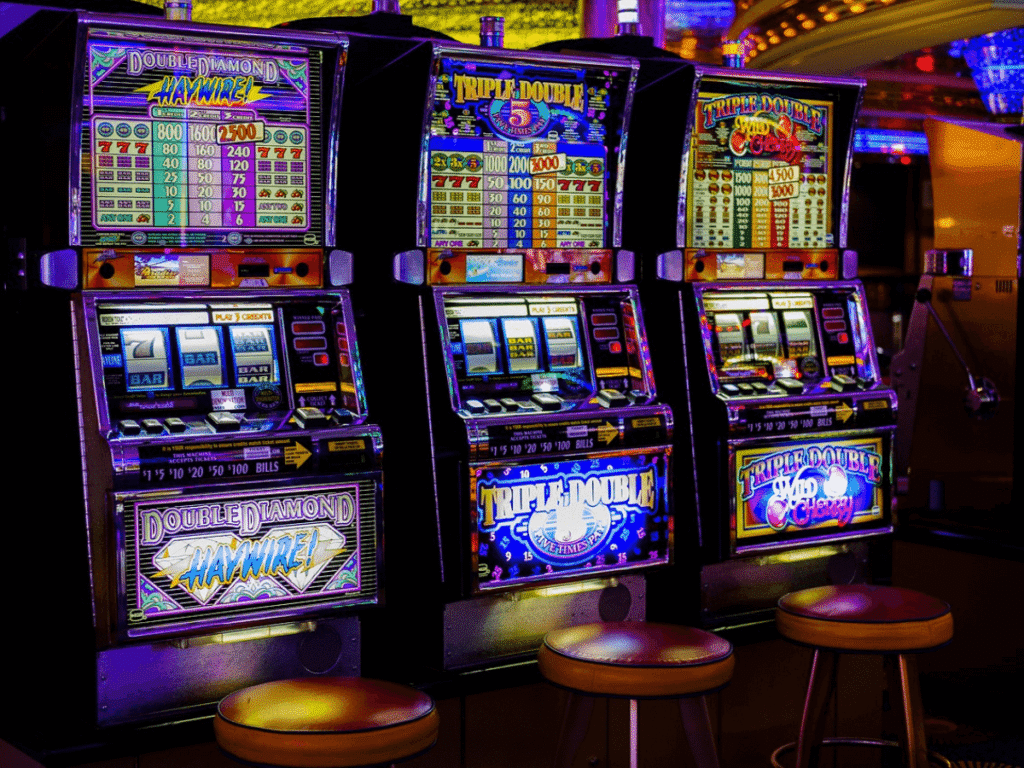
Casinos did not invent skill-based games out of thin air. Their emergence was largely a reaction to changing demographics. Younger players, especially those who grew up with competitive video games, esports, and mobile gaming, often find classic slot machines dull. Pressing a button and watching reels spin offers little sense of control, mastery, or progression.
To address this, casinos and game developers began experimenting with hybrid gambling models, games that look and feel interactive, sometimes resembling arcade or video games, but still operate under gambling regulations. These games typically fall into three broad categories:
- Crash and multiplier games
- Arcade-style gambling games
- Skill-influenced or skill-modulated slots
All three promise some degree of player influence. However, the critical question is not whether skill exists at all, but how much influence that skill truly has over long-term outcomes.
Crash Games: Timing Feels Like Skill
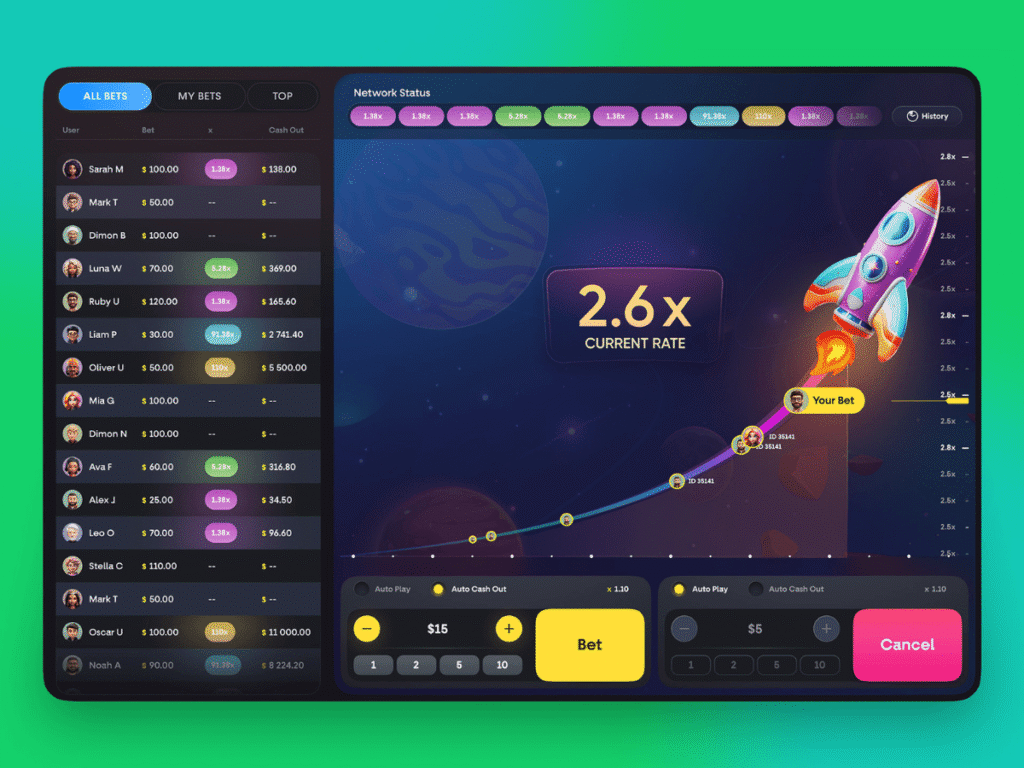
Crash games are among the fastest-growing gambling formats, particularly online. In a typical crash game, a multiplier increases steadily: 1.00x, 1.20x, 1.50x, 3.00x, and beyond, until the game “crashes” at a random point. Players must cash out before the crash to secure their winnings.
Where Skill Seems to Matter
At first glance, crash games feel skillful. Players must decide:
- When to cash out
- Whether to aim for frequent small wins or rare big multipliers
- How much to bet based on perceived risk
Pattern recognition, discipline, and emotional control appear important. Players who chase losses or hold too long often crash out, while conservative players may win more often.
Where Luck Actually Dominates
Despite the interactive appearance, the crash point is determined before the round even starts by a random number generator (RNG). No amount of reaction time or intuition can change where the crash occurs.
Skill affects variance, not expectation. A disciplined player may experience smoother results over short sessions, but the house edge remains baked into the game. Over time, even the most cautious strategy cannot turn a negative expected value into a positive one.
Reality check:
Skill helps manage how you lose or win—not whether you beat the game long term.
Arcade-Style Gambling: Reflexes With a Ceiling
Arcade-style casino games look more like video games than traditional gambling machines. These might include shooting targets, timing-based challenges, puzzle mechanics, or racing-style inputs. Higher scores or better performance can unlock higher payouts.
Where Skill Genuinely Matters
Compared to crash games, arcade-style gambling often involves real mechanical skill:
- Faster reaction times
- Better hand-eye coordination
- Learning enemy patterns or timing windows
- Practice and improvement over time
In these games, two players can indeed have very different outcomes based on ability. A skilled player may consistently reach higher reward tiers than a beginner.
The Hidden Limits
What’s rarely advertised is that casino regulators require these games to cap the influence of skill. Otherwise, casinos would face players who could reliably beat the house.
As a result:
- Maximum payout probabilities are limited
- Even perfect play often cannot overcome the house edge
- Some outcomes are still randomized regardless of player performance
In many cases, skill determines which reward table you access, but RNG determines what happens within that table.
Reality check:
Skill matters more here than in most casino games,but it is deliberately restricted.
Skill-Influenced Slots: Strategy Without Control
“Skill slots” are perhaps the most controversial category. These games look like traditional slot machines but include bonus rounds where players can make choices, aim, time actions, or select paths.
What Skill Actually Affects
In most skill-influenced slots:
- Skill-based bonuses replace or modify free-spin rounds
- Better performance may slightly increase bonus payouts
- Player choices can influence short-term results
This creates a sense of agency and engagement far beyond classic slots.
What Never Changes
The base game, where most money is wagered remains entirely RNG-driven. Even the bonus rounds usually operate within tightly controlled payout ranges.
Crucially:
- The overall return-to-player (RTP) is fixed
- Skill cannot alter the long-term mathematical expectation
- Bonuses are infrequent, meaning skill has limited opportunities to matter
Reality check:
Skill adds excitement and variety, not long-term profitability.
Skill vs Luck: Understanding the Difference
To understand skill-based casino games, players must distinguish between influence and expectation.
- Influence affects short-term outcomes
- Expectation determines long-term profitability
Casinos are comfortable offering games where skill influences outcomes—as long as the math still favors the house over time.
This same debate between player skill and randomness is also playing out in competitive wagering, as explored in our article The Boom of Esports Betting – What New Players Need to Know in 2025, where knowledge, timing, and fast-changing variables shape betting outcomes.
Marketing vs Reality
The term “skill-based” is powerful marketing language. It taps into players’ desire for control and mastery. However, it often blurs important distinctions.
Marketing suggests:
- “Good players can win more”
- “Your decisions matter”
- “Play smarter, not harder”
Reality usually is:
- Skill influences outcomes only within strict limits
- The house edge still exists
- Long-term losses are still expected
This doesn’t mean these games are deceptive, but it does mean players should approach them with clear eyes.
Why Players Still Enjoy Skill-Based Games
Despite their limitations, skill-based casino games serve a real purpose. They:
- Feel more interactive and less passive
- Reward focus and discipline
- Reduce boredom compared to classic slots
- Appeal to video-game players who dislike pure randomness
From an entertainment standpoint, they can be genuinely fun. Many players prefer losing slowly in an engaging game over losing quickly on a traditional slot machine.
The key is recognizing what you are paying for: entertainment, not advantage.
Setting Realistic Expectations
Before playing skill-based casino games, players should keep several principles in mind:
- Skill does not eliminate the house edge
- Short-term success does not prove long-term profitability
- Emotional control often matters more than mechanical skill
- Entertainment value is the real product being sold
If you enjoy decision-making and interactivity, skill-based games may offer better value for your time and money. If your goal is guaranteed profit, no casino game, skill-based or not, can provide that.
Final Verdict: Skill, But On Casino Terms
So, are skill-based casino games really about skill or just marketing?
The honest answer is: both.
Skill-based games genuinely incorporate player ability more than traditional gambling formats. Timing, strategy, reflexes, and discipline can affect outcomes in meaningful ways, especially in the short term. However, these games are carefully designed so that skill operates within boundaries that protect the casino’s edge.
They are not scams, but they are not competitive games in the same sense as esports or pure skill contests. They are gambling products enhanced with interactive elements.
For players who understand this balance, skill-based casino games can be enjoyable, engaging, and even satisfying. For those who believe skill alone can beat the system, disappointment is almost guaranteed.
In the end, skill-based casino games offer a smarter illusion, not of winning, but of control. And as long as players recognize the difference, they can decide for themselves whether that illusion is worth the price of admission.
Sources: