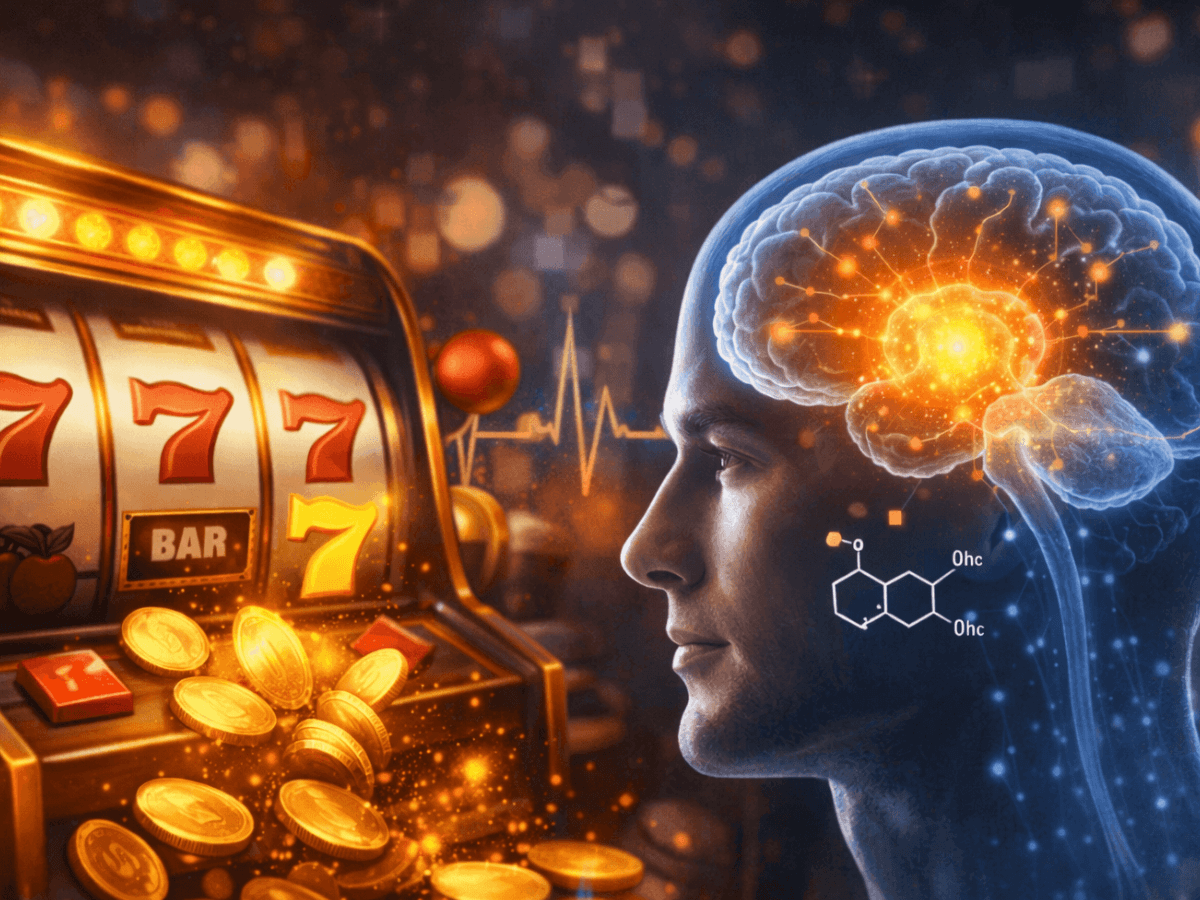
Walk through any casino, whether physical or online, and you’ll see (and hear) it: the spinning reels slow down, two jackpot symbols line up… and the third stops just one position above the payline. So close. Almost.
For many players, that moment can feel surprisingly intense, sometimes nearly as thrilling as an actual win. But why does almost winning feel so powerful? Why do people often feel motivated to keep playing after a near miss, even though they technically lost?
The answer lies in psychology. “Near wins,” also known as “near misses,” tap into powerful emotional and cognitive systems in the brain. Understanding how they work can help players make more informed, balanced decisions, and enjoy games responsibly.
Let’s explore the science behind near wins, the emotional triggers involved, and how awareness can support healthier decision-making.
What Is a “Near Win”?
A near win happens when an outcome comes very close to a jackpot or major prize but ultimately results in a loss. In slot machines, for example, you might:
- Get two jackpot symbols and miss the third by one position
- Trigger two bonus symbols when three are required
- Watch the reels stop just barely outside the winning line
Objectively, a near win is still a loss. But psychologically, it often doesn’t feel like one.
That feeling is not accidental – it’s tied to how our brains process reward and motivation.
The Brain’s Reward System and Dopamine
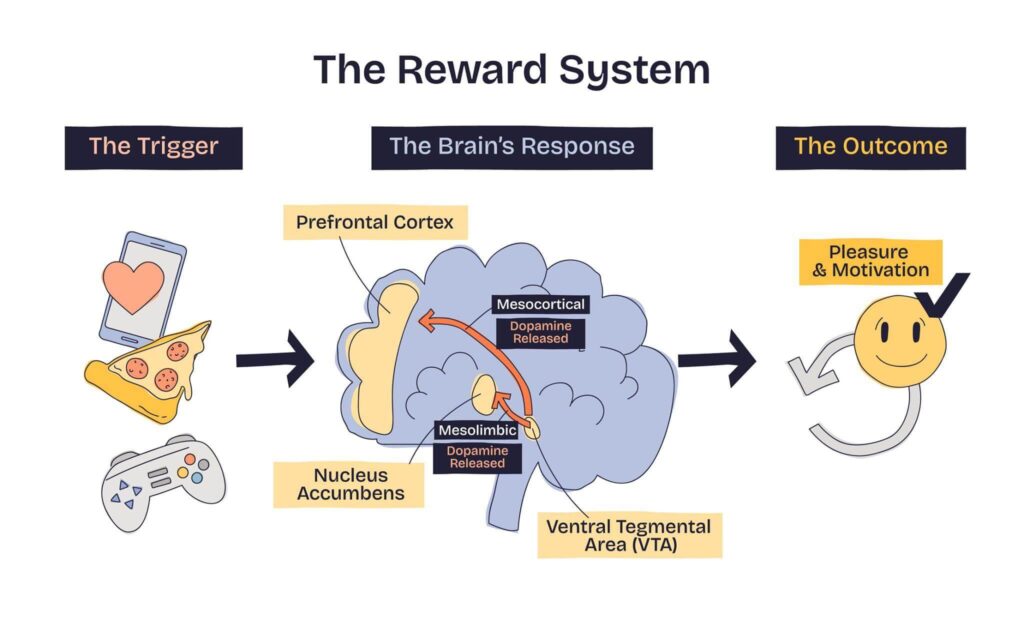
To understand near wins, we need to understand dopamine.
Dopamine is a neurotransmitter strongly associated with motivation, learning, and reward anticipation. Importantly, dopamine isn’t only released when we win. It’s also released when we anticipate winning.
Research in neuroscience shows that near misses activate many of the same brain areas involved in actual rewards, including regions like the ventral striatum. In other words, your brain can respond to “almost” as if it were meaningful progress.
This creates a powerful illusion:
“I was so close. That means I’m getting closer.”
Even though slot machines operate on random number generators (RNGs) and each spin is independent, the brain interprets a near miss as a sign of momentum.
The Illusion of Progress
One key psychological mechanism behind near wins is the illusion of progress.
Humans are wired to respond strongly to signs that we’re improving or approaching a goal. In many real-life activities, this instinct serves us well:
- In sports, getting closer to the finish line means success is more likely.
- In learning, incremental improvement increases mastery.
- In business, steady growth signals progress toward goals.
But in games of pure chance, progress doesn’t actually exist.
In slot machines:
- Every spin is independent
- The probability of winning doesn’t increase because you were “close”
- A near win doesn’t change future odds
Yet emotionally, the experience feels like forward movement. The brain treats it as “evidence” that a jackpot is within reach – even though statistically it isn’t.
Why Near Wins Feel So Motivating
Several psychological factors combine to make near wins especially compelling:
1. Anticipation Amplification
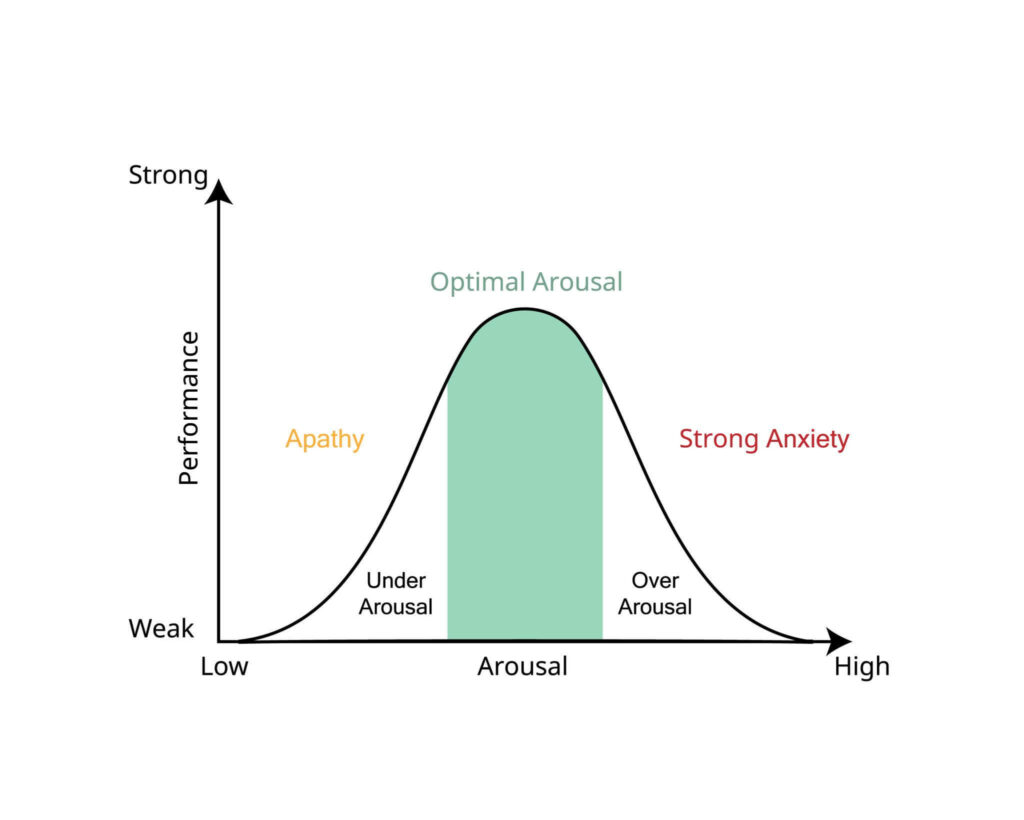
When the reels slow down and two jackpot symbols align, suspense builds. Your heart rate may increase. Your body leans in. This anticipation activates the same systems involved in goal pursuit.
When the final symbol narrowly misses, that tension doesn’t simply disappear. Instead, it transforms into a surge of motivation.
The thought process might sound like:
- “That was close!”
- “The next one could be it.”
- “I almost had it.”
That emotional momentum pushes players to continue.
2. Frustration as Fuel
Interestingly, frustration can be energizing.
Psychologists call this the frustration effect – when people try harder after narrowly failing. In many areas of life, this is productive. If you miss passing an exam by one point, you might study harder.
In casino games, however, the outcome is random. Trying harder doesn’t influence results. But the internal response – “I need another chance” – still kicks in.
Near wins trigger that same drive.
3. The “Gambler’s Fallacy”
Another cognitive bias at play is the gambler’s fallacy – the belief that past outcomes influence future ones in random systems.
After a near win, players might unconsciously believe:
- “The machine is about to pay.”
- “It’s warming up.”
- “It’s due.”
In reality, each spin is independent. But the emotional brain often overrides the logical one in high-arousal environments.
4. Emotional Highlighting
Near wins stand out vividly in memory.
Imagine playing 50 spins. Most are uneventful losses. But one spin almost hit the jackpot. Which one will you remember?
The near win.
This is due to availability bias – we remember emotionally intense events more easily. That memorable “almost” moment can create a distorted impression of how often you’re “close.”
Design Elements That Enhance Near Wins
Slot machines and digital casino games are carefully designed to heighten emotional engagement. Some features that amplify near wins include:
- Slowing reel animations when jackpot symbols align
- Sound effects that build suspense
- Visual highlights around “almost” combinations
- Bright colors and celebratory cues for small wins
These features increase immersion and make near wins feel meaningful – even when they are statistically neutral.
Understanding this design can empower players to step back and recognize emotional triggers in the moment.
Near wins don’t exist in isolation. They’re part of a broader psychological ecosystem within casino design. As explored in our article: The Psychology of Casino UX – Why Some Platforms Feel More Trustworthy, everything from color palettes to micro-interactions and wallet animations shapes how safe, fair, and transparent a platform feels. Near-miss mechanics work alongside these UX signals to create engagement, but awareness of both helps players stay grounded in rational decision-making.
Awareness: The First Step Toward Balance
The goal isn’t to eliminate enjoyment. Many people play casino games for entertainment, excitement, and relaxation. Problems arise when emotional responses override rational decision-making.
Awareness helps bridge that gap.
When you experience a near win, pause and ask:
- “Was that actually different from any other loss?”
- “Did this change the odds of the next spin?”
- “Am I reacting emotionally or logically right now?”
Simply labeling the moment as a psychological effect can reduce its influence.
For example:
“That feels exciting because my brain is reacting to a near miss – not because I’m actually closer to winning.”
That small shift in thinking can be powerful.
Emotional Triggers to Watch For
Recognizing emotional triggers can help players make healthier choices. Common signs include:
- Feeling urgency to continue immediately after a near win
- Increasing bet size to “capitalize on momentum”
- Chasing losses after an almost-jackpot moment
- Interpreting patterns where none exist
If you notice these patterns, consider stepping away – even briefly, or using tools like GamStop UK, the self-exclusion system every player should understand.
Taking a short break helps reset emotional arousal and allows logical thinking to return to the forefront.
Practical Strategies for Healthier Decision-Making
Here are some practical ways to maintain control while playing:
1. Set Limits Before You Start
Decide in advance:
- How much money you’re willing to spend
- How much time you’ll play
Stick to those limits regardless of near wins or emotional highs.
2. Reframe Near Wins as Losses
Train your mind to categorize near wins accurately:
- They are still losses.
- They do not increase future probabilities.
- They are part of the game’s design.
This reframing weakens their motivational pull.
3. Focus on Entertainment Value
Instead of viewing gameplay as a way to win money, treat it as paid entertainment—like going to a movie or a concert.
When expectations shift from “profit” to “experience,” near wins lose some of their psychological grip.
4. Use Cooling-Off Periods
If you feel emotionally charged after a near win, pause. Stand up. Get water. Take a few deep breaths.
Emotional intensity fades quickly when you give it space.
Why Understanding Near Wins Matters
Near wins are not a sign of weakness or lack of intelligence. They affect nearly everyone because they tap into fundamental motivational systems in the brain.
These systems evolved to help us:
- Persist toward goals
- Learn from feedback
- Stay engaged in challenges
In the right context, they’re incredibly useful. But in games of chance, they can misfire.
Understanding this helps you separate:
- Emotion from probability
- Excitement from actual advantage
- Momentum feelings from mathematical reality
That separation is the key to informed, balanced play.
Final Thoughts: Awareness Creates Power
Almost winning feels powerful because your brain interprets it as meaningful progress. Dopamine surges. Motivation rises. Memory highlights the moment. It all combines into a compelling urge to try again.
But recognizing that near wins are psychological experiences – not predictive signals -puts control back in your hands.
Games of chance are built on randomness. Your brain is built for patterns, progress, and reward anticipation. When those systems collide, near wins feel significant.
The good news?
With awareness, emotional triggers become easier to manage. Decisions become more deliberate. And entertainment can stay enjoyable without crossing into unhealthy territory.
Almost winning will always feel exciting – that’s human nature. Understanding why it feels that way is what makes the difference.
Sources: