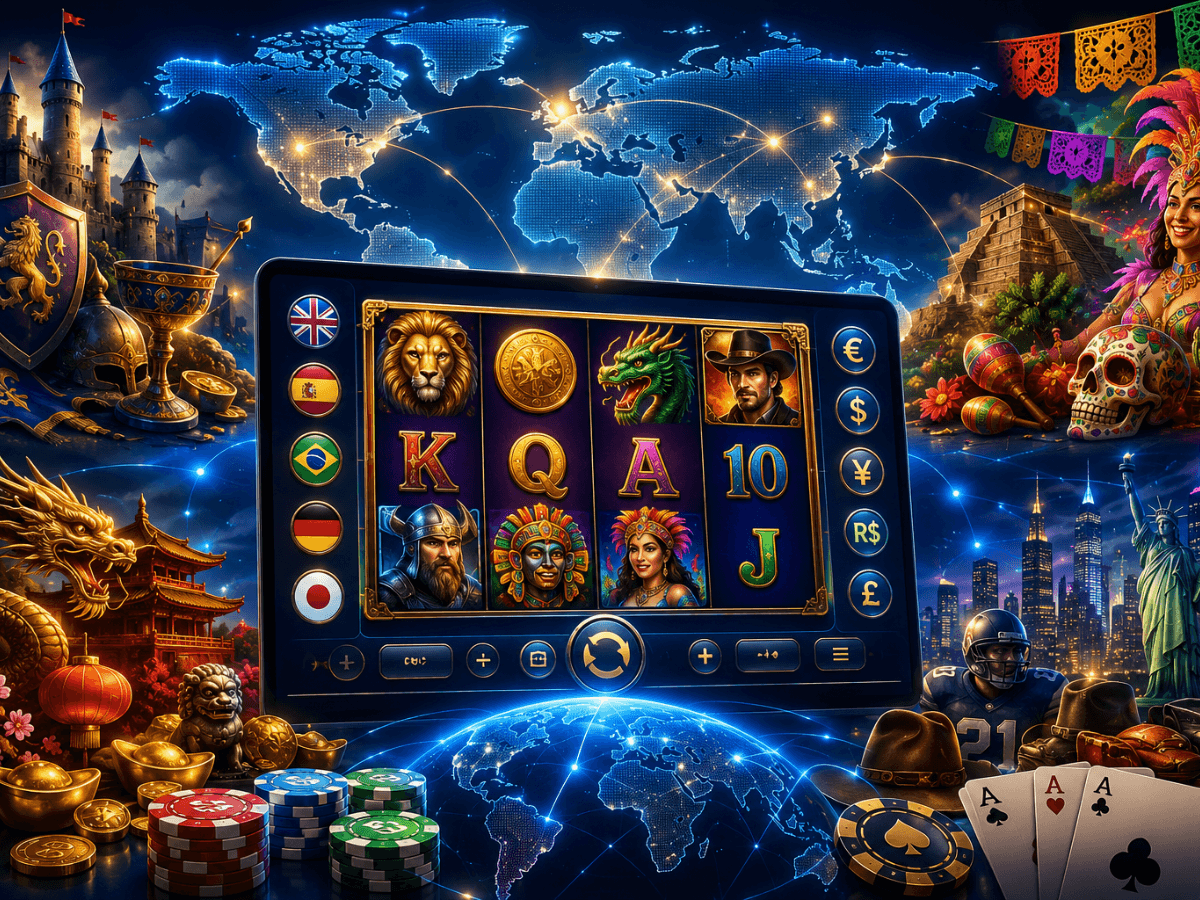
Online casino games may appear universal at first glance. A slot featuring Egyptian pyramids, Viking warriors, or colorful fruit symbols can be launched in dozens of countries simultaneously, giving the impression that every player enjoys exactly the same experience.
In reality, that is rarely the case.
Behind every successful casino game lies an enormous amount of localization. Developers carefully adapt games for different regions by changing languages, symbols, themes, betting limits, bonus mechanics, currencies, soundtracks, and even mathematical models to better match local player preferences.
In 2026, creating a great slot is no longer enough. Game providers must create experiences that feel familiar and engaging to players from very different cultures, without losing their global appeal.
This balance between worldwide consistency and regional customization has become one of the industry’s greatest competitive advantages.
The result is fascinating: two players can technically launch the same game while experiencing noticeably different versions of it.
The Global Gambling Market Is More Diverse Than Ever
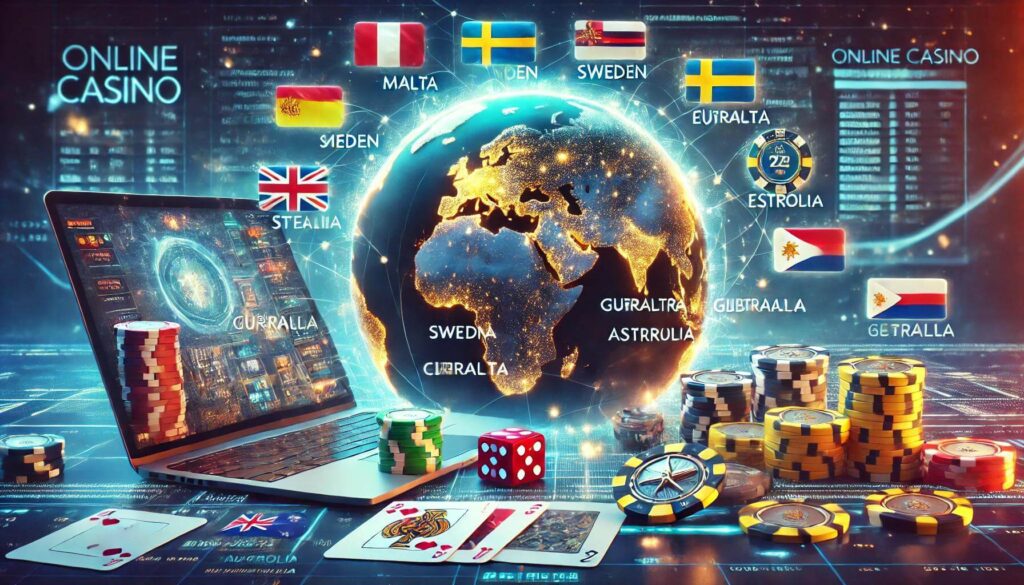
Online casinos now serve millions of players across Europe, Latin America, Asia, Africa, and North America.
Each market has its own:
- gambling culture
- spending habits
- favorite game mechanics
- preferred payment methods
- regulatory requirements
- entertainment expectations
These regional differences are explored further in Country-Specific Player Behavior – How Gambling Culture Differs Across Europe in 2026, where local culture, regulation, and payment habits shape how players interact with casino platforms.
A design that performs well in Sweden may generate little interest in Brazil.
A jackpot mechanic popular in Germany might not resonate with players in Japan.
Game providers can no longer assume that one version of a game will satisfy everyone.
Instead, localization has become central to product development.
Language Is Only the Beginning
The most obvious adaptation is language.
Nearly every major provider translates games into multiple languages, including:
- English
- German
- Spanish
- Portuguese
- French
- Italian
- Finnish
- Dutch
- Japanese
- Korean
But localization goes much deeper than translating menus.
Developers also adapt:
- instructions
- bonus explanations
- tutorials
- responsible gambling messages
- promotional content
The goal is making every interaction feel natural rather than translated.
Themes That Connect With Local Culture
Players often respond more positively to themes they recognize.
While fantasy and mythology remain globally popular, providers increasingly develop games inspired by regional interests.
Examples include:
Europe
- medieval legends
- Norse mythology
- football
- historical adventures
Latin America
- festivals
- colorful wildlife
- music
- tropical themes
Asia
- dragons
- prosperity symbols
- lucky numbers
- traditional celebrations
North America
- western adventures
- road trips
- sports
- entertainment culture
The objective is creating emotional familiarity.
Players engage more deeply when games reflect cultural references they understand.
Symbols Carry Different Meanings
Even small visual details matter.
Certain symbols are considered lucky in some cultures and unlucky in others.
Examples include:
- dragons
- coins
- colors
- animals
- numbers
- flowers
Developers carefully research these associations before launching games internationally.
Color psychology also varies.
For example:
- red symbolizes luck in many Asian markets
- gold often represents wealth globally
- green may emphasize prosperity in Western markets
These choices influence player perception more than many realize.
Betting Limits Are Adjusted by Market
Localization also affects economics.
Average player budgets vary significantly between countries.
Some regions prefer:
- micro bets
- longer sessions
- low volatility
Others embrace:
- higher stakes
- aggressive volatility
- bonus buys
To accommodate these differences, providers often adjust:
- minimum bets
- maximum bets
- default wagering values
- currency displays
A game launched in one country may begin at €0.10 per spin, while another market starts much lower or higher.
Bonus Features Are Sometimes Modified
Bonus mechanics themselves can change between markets.
Some jurisdictions restrict:
- autoplay
- turbo spins
- bonus buys
- jackpot features
- gambling speed
Providers must adapt accordingly.
In regulated markets, players may experience versions of games with slightly different functionality.
Although the core gameplay remains similar, certain features are removed or redesigned to comply with local rules.
Regulations Shape Game Design
Localization is not always about culture.
Sometimes it is about compliance.
Different countries impose different requirements regarding:
- RTP disclosure
- session reminders
- reality checks
- responsible gambling messages
- spin speed
- advertising restrictions
Developers often build multiple versions of the same game to satisfy these legal requirements.
Compliance has become an integral part of game design rather than a final adjustment.
Volatility Preferences Differ Around the World
Player behavior varies considerably between regions.
Some markets prefer:
- frequent small wins
- lower volatility
- longer entertainment sessions
Others enjoy:
- high-risk gameplay
- massive multipliers
- rare bonus rounds
Providers analyze player data carefully before deciding how to position games within each market.
Although the RTP often remains unchanged, marketing and recommendations may emphasize different aspects of the same title.
Sound and Music Also Matter
Localization extends beyond visuals.
Music influences immersion.
A soundtrack that feels exciting in one country may seem unfamiliar elsewhere.
Developers increasingly create adaptive audio experiences featuring:
- regional instruments
- localized voiceovers
- culturally familiar sound effects
- market-specific celebrations
These subtle details strengthen emotional engagement.
Payment Habits Influence Design
Casino experiences are also shaped by payment behavior.
Different regions favor different methods.
Examples include:
- digital wallets
- bank transfers
- prepaid vouchers
- cryptocurrencies
- instant banking
Game lobbies and promotional flows increasingly highlight payment options familiar to local audiences.
Although payment systems exist outside individual games, they influence the overall user experience.
Marketing Looks Different Around the World
Even identical games receive different marketing campaigns.
Providers adjust:
- promotional artwork
- trailers
- advertising messages
- featured mechanics
Some markets emphasize:
- entertainment
- graphics
- storytelling
Others focus on:
- RTP
- jackpots
- tournaments
- bonus features
The same slot may therefore appear completely different depending on where players discover it.
Provider-Based Localization and Global Competition
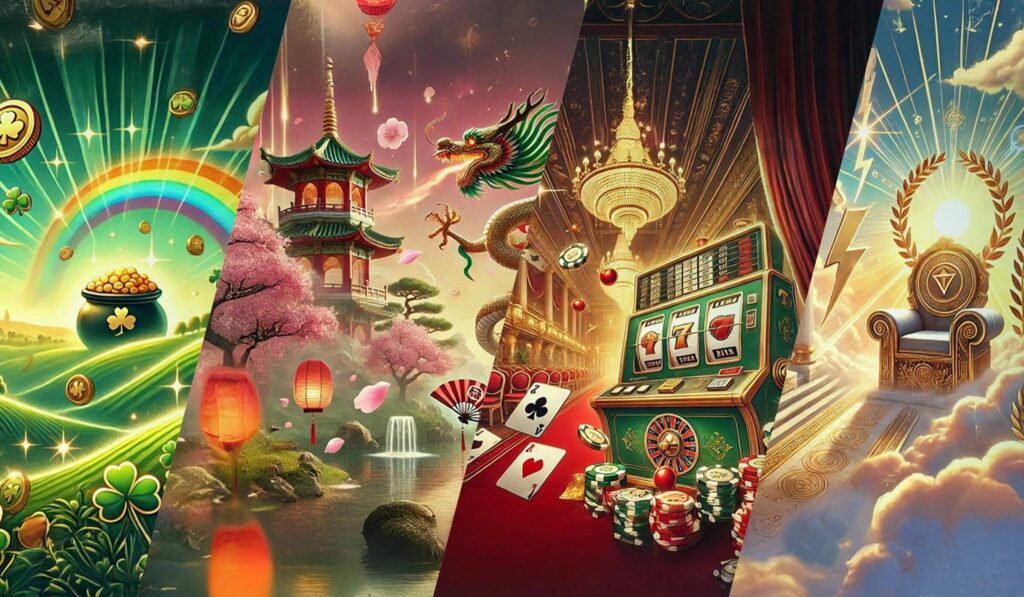
Game providers are now competing not only through graphics and mechanics, but through localization strategy. Studios that understand regional expectations can make the same concept feel more relevant across multiple markets. This broader provider evolution is discussed in Next-Gen Slot Providers You Need to Know in 2025, where modern studios are pushing casino design beyond traditional slot formulas.
Data Drives Localization
Modern localization relies heavily on analytics.
Developers monitor:
- session length
- average bet size
- feature engagement
- retention
- bonus usage
- abandonment rates
This data helps providers refine games continuously.
Localization is no longer a one-time process.
It has become an ongoing cycle of optimization.
Artificial Intelligence Is Accelerating Adaptation
AI now assists providers in understanding regional preferences faster than ever.
Machine learning can identify:
- preferred game themes
- popular mechanics
- optimal promotions
- betting patterns
- player segmentation
This enables casinos to personalize recommendations while allowing developers to improve future releases.
Localization is becoming increasingly dynamic rather than static.
Challenges of Building Global Games
Creating globally successful games is far from simple.
Developers must balance:
- universal appeal
- cultural sensitivity
- regulatory compliance
- technical consistency
- commercial performance
Too much localization risks fragmenting the product.
Too little localization risks poor engagement.
Finding the right balance requires extensive research and continuous testing.
Why Players Rarely Notice Localization
Interestingly, the best localization often goes unnoticed.
When a game feels natural, players rarely stop to consider why.
That is precisely the goal.
Successful localization creates experiences that feel designed specifically for each audience without drawing attention to the changes behind the scenes.
The Future of Localized Casino Gaming
Localization is likely to become even more sophisticated over the next decade.
Future games may automatically adapt based on:
- player location
- language
- preferred volatility
- playing history
- cultural holidays
- favorite themes
Artificial intelligence could generate personalized interfaces while maintaining regulatory compliance.
Players may increasingly receive experiences tailored not only to their country but to their individual preferences.
Final Thoughts
Modern casino games are no longer designed for a single global audience.
They are carefully adapted to reflect different cultures, regulations, spending habits, entertainment preferences, and player expectations around the world.
From language and visual themes to betting limits, bonus mechanics, sound design, and regulatory compliance, localization has become one of the most important factors behind successful game launches.
For players, these adaptations often remain invisible.
The games simply feel intuitive, familiar, and enjoyable.
For providers, however, localization represents an ongoing investment in understanding diverse audiences and delivering experiences that resonate across borders.
As online gambling continues expanding internationally, the casinos and game studios that master localization will likely enjoy a significant competitive advantage.
Because in a truly global industry, success is not about creating one perfect game.
It is about creating one game that feels perfectly at home wherever it is played.
Sources: