For years, online casino gaming has largely been an individual experience. A player opens a slot game, chooses a stake, presses spin, and watches the result appear on their screen. Even when thousands of people are playing the same title, their sessions usually remain separate.
But a different type of casino experience is becoming increasingly visible.
In multiplayer crash games, participants watch the same rising multiplier and decide when to cash out. At interactive casino tables, players can see other participants, follow their decisions, and sometimes communicate during a live session. Shared jackpot events can create moments of collective anticipation, even when players are using different devices and playing from different locations.
The result is a form of gambling that feels less like an isolated activity and more like participating in a live digital event.
This shift raises an important question: Are multiplayer casino games changing how people gamble, or are they simply adding social interaction to familiar games of chance?
The answer depends on how these games work, what participants actually share, and how the presence of other players can influence individual decisions.
What Are Multiplayer Casino Games?
Multiplayer casino games are gambling experiences in which multiple participants take part in a shared game environment, event, or session.
Unlike traditional single-player slots, where each player generally receives independently generated outcomes, multiplayer formats can involve common events that everyone observes simultaneously.
Depending on the game, participants may share a table, watch the same multiplier, compete against one another, or participate in an event that awards prizes to multiple players.
However, multiplayer does not always mean that everyone has the same financial outcome.
For example, two participants in a crash game might watch the same multiplier increase, but one could cash out at 1.50x while another waits for 3.00x.
If the game ends at 2.20x, the first participant receives a payout while the second loses their stake.
Both experienced the same event, but their individual decisions produced different results.
This distinction is central to understanding modern multiplayer gambling.
Players may share the experience without sharing the same risk, strategy, or outcome.
Multiplayer Crash Games: One Event, Different Decisions
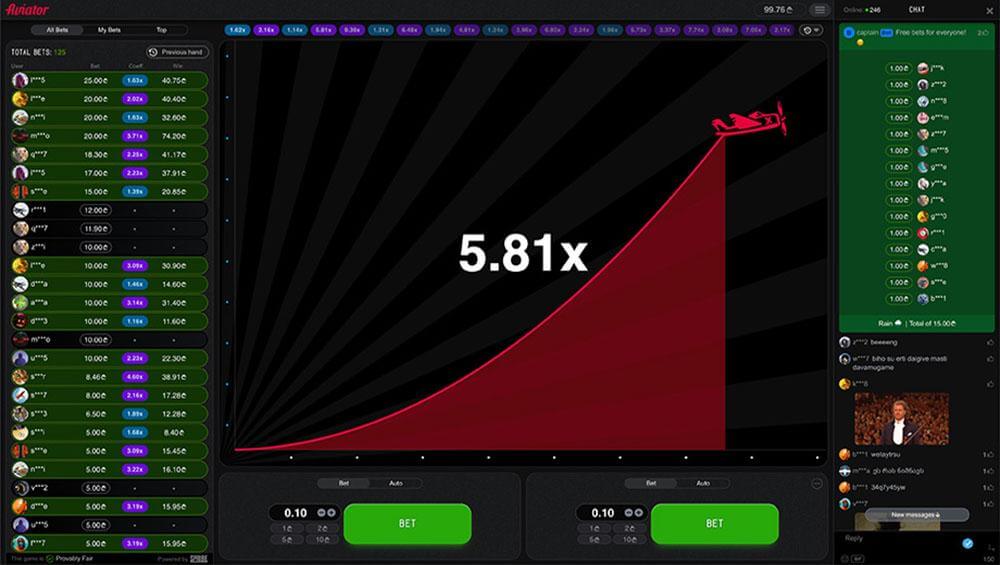
Crash games are among the clearest examples of shared casino gameplay.
In a typical crash game, a multiplier begins at a low value and increases over time.
Participants place their wagers before the round begins and attempt to cash out before the multiplier suddenly stops.
The longer the multiplier rises, the greater the potential payout for anyone who remains in the game.
But if the crash occurs before a player cashes out, that player loses the wager.
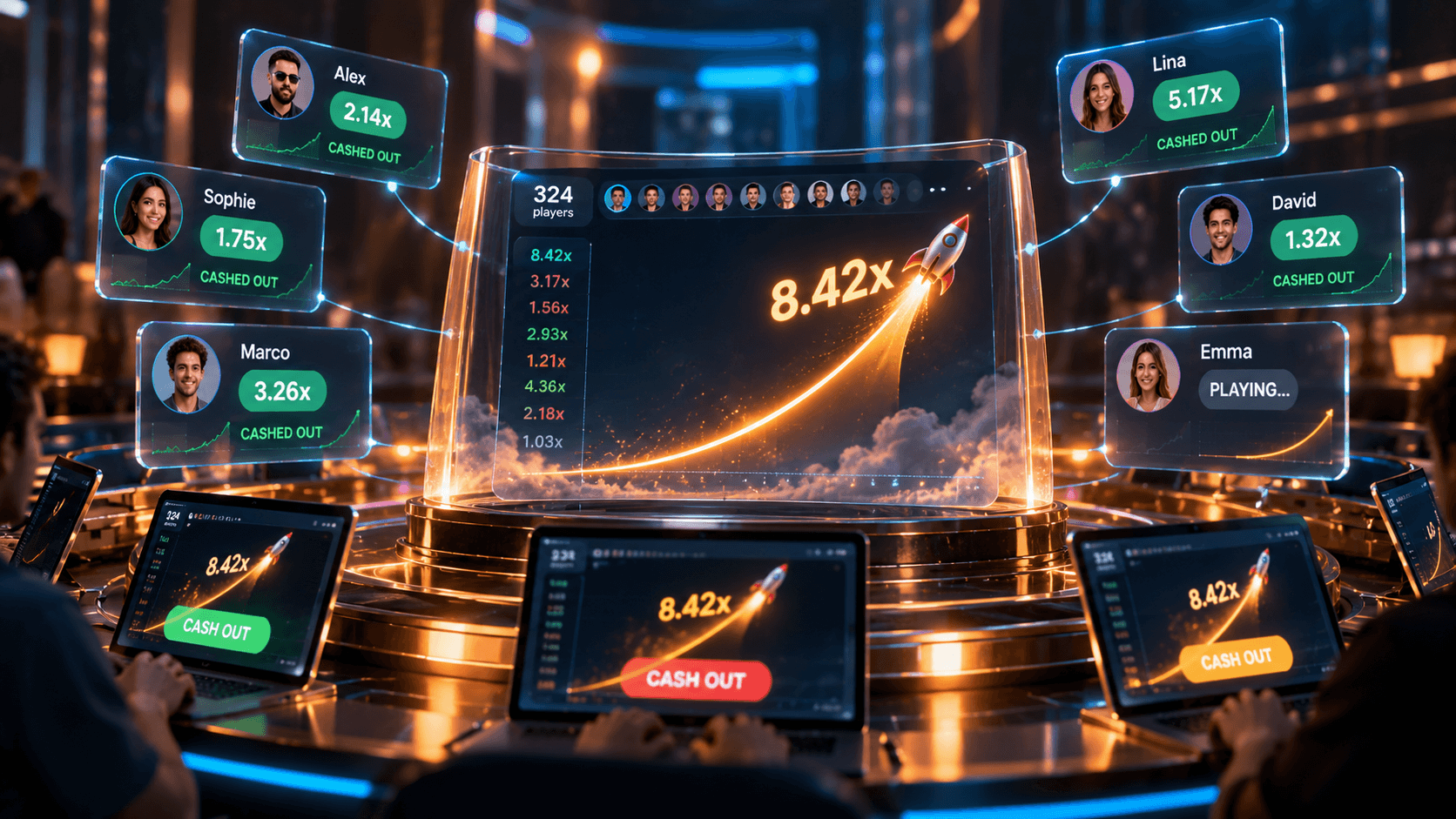
In many multiplayer versions, everyone watches the same multiplier in real time.
The interface may also display how many participants have joined the round, which players have already cashed out, and the multipliers at which they exited.
This creates a dynamic that traditional slot machines rarely offer.
Players are not simply watching their own results. They are watching other people’s decisions unfold.
The appeal of shared anticipation
Imagine a crash round in which the multiplier reaches 2.00x.
Several participants cash out.
Others remain.
At 3.00x, more players exit, while a smaller group continues waiting.
The multiplier reaches 5.00x, and the chat becomes more active.
Everyone is watching the same event, but each participant faces an individual decision.
The tension comes partly from uncertainty about the game and partly from observing the choices of others.
This makes multiplayer crash games feel similar to a live audience experience, even when participants are physically alone.
This shared, real-time format is one of the reasons crash games stand apart from conventional slots. For a closer comparison of their mechanics, pacing, and player experience, explore Crash Games vs Traditional Slots: Why Are Players Exploring Different Game Formats?
However, watching other players cash out does not reveal when the next crash will occur.
In a properly implemented random-outcome game, another participant’s decision does not provide a reliable signal about the future result.
Why Watching Other Players Changes the Experience
Traditional online slots generally focus attention on a single screen and an individual outcome.
Multiplayer games introduce another source of information: the behavior of other participants.
A player may notice that many others are placing larger wagers.
They may see several participants cash out early.
They may watch someone remain in a round until a particularly high multiplier.
These observations can influence how the game feels, even when they provide no meaningful information about the underlying probabilities.
This is where multiplayer gambling becomes psychologically interesting.
People naturally pay attention to the behavior of others, particularly in uncertain situations.
When participants are unsure what to do, they may look to a group for guidance.
In everyday life, this can be useful.
In games of chance, however, copying another person’s decision does not necessarily improve the mathematical expectation of a wager.
A player who repeatedly cashes out at 2.00x is not automatically following a better strategy than someone who exits at 1.50x.
The outcome depends on the game’s mathematical structure, the cash-out rules, and the distribution of possible results.
Other players’ decisions may be visible, but their reasoning and financial circumstances usually are not.
Shared Jackpot Events: When Everyone Watches the Same Prize
Another multiplayer format involves shared jackpot events.
Traditional progressive jackpots can connect many individual games to a common prize pool.
Each qualifying wager may contribute to the jackpot, depending on the game’s rules.
The prize grows until a triggering condition is met.
In some implementations, one player receives the jackpot.
Other formats may distribute prizes among multiple eligible participants or organize special jackpot events involving a group.
These structures can make individual gameplay feel connected to a larger event.
A player might be spinning a slot independently while watching a shared jackpot counter increase.
When the jackpot is triggered, the result becomes visible across the connected gaming environment.
Does a shared jackpot mean shared winnings?
Not necessarily.
The phrase shared jackpot can describe several different systems.
Some jackpots are funded collectively but awarded to one qualifying player.
Others may distribute portions of a prize among several participants.
Some multiplayer promotions reward everyone who meets specific eligibility requirements.
The exact structure matters.
A growing shared prize pool does not automatically mean every contributing player has an equal chance of winning.
Eligibility, contribution rules, wager requirements, jackpot triggers, and payout distribution can differ substantially between products.
For players, understanding these details is more important than the excitement created by a rising jackpot display.
Interactive Casino Tables: The Digital Version of a Shared Table
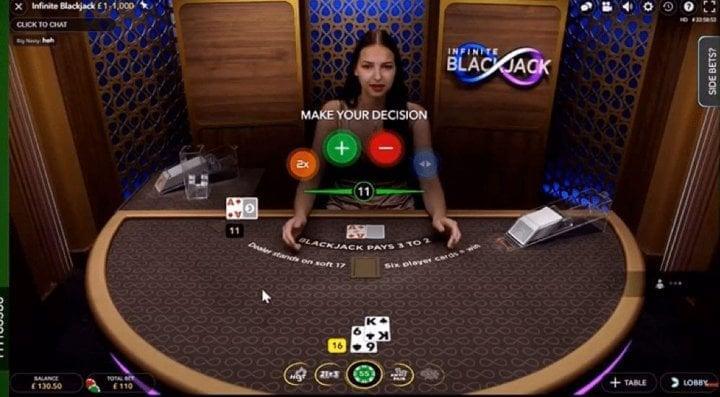
Multiplayer gameplay is also changing the experience of online casino tables.
Live dealer roulette, blackjack, baccarat, and other table games have already introduced real-time video streams and shared environments.
Players can watch a dealer, follow the progress of a round, and sometimes interact through moderated chat features.
In certain games, multiple participants place wagers on the same underlying event.
For example, several roulette players may watch the same wheel spin while placing different bets.
One participant may bet on red.
Another may choose a specific number.
A third may wager on a group of numbers.
They share the same roulette result, but their payouts depend on their individual selections.
This resembles the atmosphere of a physical casino table more closely than a traditional digital slot session.
Multiplayer does not always mean players compete against one another
This is an important distinction.
In roulette or baccarat, participants generally place their wagers against the game’s established payout structure rather than directly competing for another player’s stake.
In some poker formats, by contrast, players compete against one another, and their decisions can directly affect opponents’ results.
Multiplayer blackjack can also vary by product, including how seats, hands, and dealer interactions are organized.
These differences influence the level of strategy, interaction, and competition involved.
A shared environment alone does not determine whether the game is competitive or cooperative.
Multiplayer Casino Games vs Traditional Single-Player Games
The differences are easier to understand when comparing how players experience each format.
| Feature | Traditional single-player games | Multiplayer casino games |
| Main experience | Individual session | Shared event or environment |
| Other participants | Usually not visible | May be visible through avatars, bets, or chat |
| Game timing | Often controlled individually | May follow synchronized rounds |
| Outcomes | Generally individual | May involve shared events with individual results |
| Interaction | Limited | Chat, reactions, shared tables, or visible decisions |
| Social influence | Usually lower during gameplay | Potentially stronger |
| Pace | Often player-controlled | Sometimes determined by the group or game schedule |
| Main appeal | Convenience and personal control | Shared anticipation and interaction |
These are broad distinctions rather than universal rules.
A multiplayer casino game can still offer individual controls, while some single-player games contain social elements such as leaderboards or public jackpot announcements.
The key difference is whether the presence and activity of other participants form part of the actual gameplay experience.
Why Are Shared Casino Experiences Appealing?
Multiplayer casino games combine several elements that can make digital entertainment feel more engaging.
The first is a sense of presence.
Seeing other participants enter a game, react to an outcome, or leave a round can make an online environment feel active.
The second is shared anticipation.
A synchronized event creates a common moment of uncertainty.
Participants know that other people are watching the same result unfold.
The third is interaction.
Chat messages, reactions, and visible player activity can make the experience feel less isolated.
Finally, multiplayer games can create a sense of participation in something larger than an individual wager.
These characteristics are familiar from other digital entertainment categories, including multiplayer video games and livestreaming.
But gambling introduces an additional factor: real financial consequences.
That changes the meaning of social interaction.
A shared moment of excitement may also involve shared disappointment, competitive pressure, or encouragement to take risks.
The Influence of Group Decisions
One of the most important questions surrounding multiplayer gambling is whether seeing other people’s behavior changes how participants make decisions.
Consider a crash game in which most visible players continue waiting after the multiplier reaches 2.00x.
A participant who originally intended to cash out might hesitate.
They may think that the group knows something they do not.
Or they may simply feel uncomfortable exiting while everyone else continues.
This is an example of social influence.
It does not require another person to directly tell someone what to do.
The visible behavior of a group can be enough to affect an individual’s choices.
Social proof in casino environments
Social proof refers to the tendency to use other people’s actions as information about what is appropriate or desirable.
In gambling, this can create misleading impressions.
A player might interpret a crowded game as evidence that the game offers attractive winning opportunities.
They might assume that a participant placing large wagers has special knowledge.
They might copy a popular cash-out point without understanding the underlying probabilities.
None of these assumptions necessarily follows from what is visible.
A crowded game is not automatically more favorable.
A large wager does not demonstrate skill.
And another player’s previous success does not make a similar outcome more likely in the next round.
Visible activity can create confidence without providing a genuine mathematical advantage.
Can Multiplayer Games Encourage Riskier Behavior?
They can, particularly when social features make it harder for players to disengage or encourage comparisons between participants.
Imagine someone watching a group of players celebrate a high multiplier.
The individual may feel motivated to remain in the next round longer than originally planned.
A public chat could reinforce that feeling.
Similarly, a player who sees someone win a large amount may focus on that outcome while overlooking the many smaller losses occurring elsewhere.
This can create a distorted impression of how frequently large wins happen.
Another concern is the fear of missing out.
When a shared event is about to begin, participants may feel pressure to join immediately rather than consider whether they actually want to place another wager.
Synchronized rounds can make these decisions feel urgent.
The problem is not that multiplayer interaction is inherently harmful.
The concern is that social excitement and financial risk can reinforce one another.
Social influence is only one part of the wider psychological experience of casino gaming. Our article The Psychology of Gambling Design – What Keeps Players Coming Back? examines how game mechanics, reward systems, and interface design can shape player engagement.
When entertainment becomes pressure
A healthy social experience allows participants to make independent decisions.
A more problematic environment may encourage players to increase stakes, chase losses, or remain active longer than intended.
The distinction depends partly on the game design.
Features such as public wagering amounts, prominent high-win announcements, rapid repeat rounds, and aggressive chat interactions can potentially intensify pressure.
Platforms should therefore consider how social features affect player behavior, rather than treating them as purely decorative additions.
The Role of Chat, Reactions, and Player Visibility
Communication features are often central to multiplayer casino games.
A chat window can allow participants to comment on a round, react to a result, or communicate with other players.
Avatars and usernames can make the environment feel more personal.
Reaction icons may provide a quick way to celebrate or express disappointment.
However, these features also introduce moderation and privacy questions.
Can participants hide their usernames?
Are individual wager amounts displayed publicly?
Can players mute the chat?
Are abusive or misleading messages moderated?
Can users opt out of public activity feeds?
These details affect the quality of the experience.
For example, publicly displaying unusually large wagers could encourage comparison between participants.
Showing only selected winning outcomes could create an exaggerated impression of success.
A responsible multiplayer design should make it clear what information is displayed, whether it represents all participants, and how users can control their exposure to social features.
Are Multiplayer Casino Games More Skill-Based?
Not necessarily.
Multiplayer interaction can make a game feel more strategic because participants are constantly observing and reacting to others.
But the presence of other players does not automatically increase the role of skill.
In a crash game with randomly generated outcomes, watching other participants cash out does not allow someone to reliably predict the crash point.
In roulette, observing where other players place their wagers does not change the probability of a particular number appearing.
In poker, however, player decisions are directly relevant because opponents’ strategies affect the competitive environment.
This distinction matters.
Multiplayer casino games should not be treated as one uniform category.
Some involve meaningful strategic interaction.
Others simply allow multiple people to experience the same chance-based event.
The difference is determined by the game’s rules and mathematics, not by how many participants appear on the screen.
How Multiplayer Games Change the Pace of Gambling
Traditional digital slots often allow players to control when the next spin begins.
Multiplayer games may operate according to shared schedules.
A crash round might begin after a short countdown.
A live dealer table follows the dealer’s pace.
A shared jackpot event may have a fixed start or end time.
These structures can make the experience feel more like a live broadcast or scheduled digital event.
Participants enter, wait, watch, and react together.
But synchronized gameplay also changes how people manage their sessions.
A player may feel reluctant to leave just before another round begins.
They may stay because other participants are still active.
Or they may join a new round simply because the countdown has already started.
These dynamics deserve attention because session length and betting frequency can influence total financial exposure.
Even relatively small individual wagers can accumulate into significant spending when rounds are repeated frequently.
The Technology Behind Multiplayer Casino Games
Delivering shared gameplay requires more than adding a chat window to an existing slot machine.
Multiplayer games often depend on real-time communication systems that synchronize events across many connected users.
The platform must coordinate round timing, wagers, outcomes, and settlement information.
It also needs to handle situations where participants have different internet connections or devices.
Latency can become particularly important in games that require time-sensitive decisions.
For example, a crash game must define how cash-out requests are processed and what happens when a connection is interrupted.
Players need clear information about whether the platform uses server-side timestamps, how automatic cash-out works, and how disputed requests are handled.
These technical details can affect trust.
A visually impressive shared environment is not enough if participants cannot understand how decisions are recorded or outcomes are determined.
Shared outcomes require clear rules
In multiplayer games, several participants may respond to the same event at almost the same moment.
The system needs consistent rules for accepting wagers, closing betting windows, and settling results.
Fairness also depends on the game’s underlying mathematics and random-number generation where applicable.
A multiplayer format does not eliminate the need for independent testing, transparent rules, and appropriate regulatory oversight.
Could Multiplayer Casino Games Become More Mainstream?
There are several reasons why shared casino formats could continue attracting attention.
Online entertainment has increasingly incorporated real-time interaction, community participation, and live digital events.
Multiplayer casino games fit naturally into that broader design direction.
Crash games demonstrate how a relatively simple shared event can produce a highly interactive experience.
Live dealer tables show how familiar casino formats can support simultaneous participation.
Shared jackpot events illustrate how individual sessions can become connected through common outcomes.
Future products may experiment with more interactive environments, group-based challenges, and synchronized game formats.
However, wider adoption is not guaranteed.
Multiplayer systems introduce additional technical complexity, moderation requirements, and potential consumer-protection concerns.
Some players may also prefer the privacy and independence of traditional single-player games.
For those users, public activity feeds, synchronized rounds, or visible player interactions may be distractions rather than improvements.
The future may therefore involve more choice between solo and shared experiences, rather than multiplayer gaming replacing conventional casino formats.
What Should Players Check Before Joining a Multiplayer Casino Game?
Before participating, it is worth understanding whether the game involves shared outcomes, direct competition, or simply a shared interface.
Players should also examine how wagers are settled, whether other participants can influence their results, and what happens if a connection fails during a round.
In crash games, the rules for manual and automatic cash-out are particularly important.
In shared jackpot events, eligibility and prize distribution should be clear.
At interactive tables, players should understand whether their decisions affect other participants and whether the game is played against the house or against other players.
Privacy controls also matter.
Being able to mute chat, hide personal activity, or leave a session without additional prompts can make the experience easier to manage.
Finally, players should avoid interpreting other people’s wagers or winnings as evidence of future results.
Social interaction can make a game more entertaining, but it does not remove the underlying financial risk.
The Future of Shared Casino Experiences
The next generation of multiplayer casino games may place greater emphasis on shared environments rather than isolated game screens.
We could see more formats that combine synchronized gameplay, live interaction, customizable avatars, and event-based participation.
Some experiences may resemble digital game shows.
Others may look closer to multiplayer video games, with shared visual environments and ongoing interaction between participants.
However, the most important question may not be how many social features developers can add.
It may be whether these features genuinely improve the experience without creating unnecessary pressure.
Clear settlement rules, reliable synchronization, privacy controls, and responsible gambling tools will remain essential.
Developers will also need to distinguish meaningful interaction from design elements that simply encourage more frequent wagering.
A multiplayer game can feel lively without requiring participants to follow the crowd.
And a shared experience can remain engaging without turning every result into a public competition.
Final Thoughts
Multiplayer casino games are changing one of the defining characteristics of online gambling: the sense that every player is participating alone.
Crash games bring participants into the same unfolding event.
Shared jackpots connect individual sessions through common prize structures.
Interactive casino tables allow players to experience live outcomes alongside others.
These formats introduce excitement, interaction, and a stronger sense of presence.
But they also create new considerations.
Seeing other players’ decisions can influence individual behavior, even when those decisions provide no useful information about the game’s probabilities.
Public wins can attract attention while making losses less visible.
And synchronized gameplay can make it harder for some participants to recognize when they want to stop.
The future of multiplayer casino gaming will depend on how platforms balance these competing effects.
The biggest change is not that players are suddenly gambling together. It is that online casino games are beginning to make other people’s presence part of the experience itself.
Whether that becomes a lasting mainstream format will depend on the quality of the games, the transparency of their rules, and how responsibly shared participation is designed.
Sources: