
Online casino games used to be designed around the idea that players would sit down and stay for a while. Long sessions, detailed bonus structures, elaborate themes, and slower gameplay were all part of the experience.
That assumption is changing.
In 2026, digital entertainment increasingly competes for attention in seconds rather than hours. People move quickly between social media, streaming platforms, mobile games, messaging apps, and other forms of entertainment. Online casino games are adapting to the same environment.
Rounds are becoming faster. Mechanics are easier to understand. Bonus features can arrive quickly. Some games are designed to deliver a complete entertainment experience within a relatively short session.
This does not mean every player wants faster gambling or that traditional games are disappearing. Instead, it reflects a broader shift in digital behavior, convenience matters, and players increasingly expect entertainment to fit around their schedules.
But there is another side to this evolution. When individual rounds become quicker and transitions become smoother, it can also become harder to notice just how many rounds have been played.
The rise of bite-sized casino gaming therefore raises an interesting question: can games become more convenient without making play feel too frictionless?
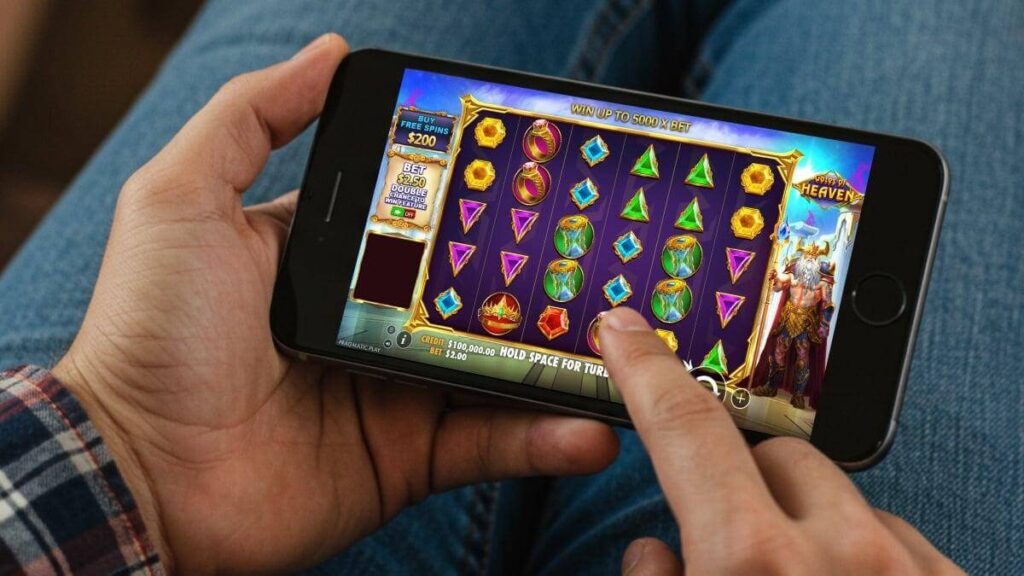
Digital Entertainment Is Becoming Shorter
Casino games are not evolving in isolation.
Many of today’s most successful digital platforms are designed around short interactions. Social media feeds provide content in seconds. Mobile games allow users to complete tasks during short breaks. Streaming services make it easy to jump between videos, clips, and episodes.
Consumers have become accustomed to entertainment that starts immediately.
Online casino developers are responding to similar expectations.
Players may open a casino while:
- commuting
- waiting for an appointment
- taking a break
- watching television
- switching between other apps
Not every visit is intended to become a long gaming session.
For these users, a game that takes several minutes to understand or requires significant commitment before anything interesting happens can feel less appealing than one that communicates its mechanics immediately.
Faster Rounds Change the Rhythm of Casino Games
One of the clearest changes is the speed of individual rounds.
Traditional casino games often had natural pauses between actions. Digital versions can remove much of that waiting time.
Modern games may feature:
- quicker animations
- shorter transitions
- streamlined result screens
- simplified controls
- immediate restart options
The objective is often to reduce unnecessary waiting.
From a usability perspective, this makes sense. Players generally do not want interfaces that feel slow or unresponsive.
However, faster rounds also change the rhythm of play.
If a round lasts only a few seconds, a player can complete significantly more rounds within the same period than they would in a slower game.
The session itself may feel short even when a large number of individual decisions have been made.
Mobile Gaming Has Accelerated the Trend
Smartphones have played a major role in the move toward shorter casino experiences.
Desktop gambling traditionally took place in a more deliberate environment. Players opened a computer, visited a casino website, selected a game, and often stayed for an extended period.
Mobile behavior is different.
This shift is closely connected to the broader changes explored in The Mobile Gaming Boom – How It’s Changing the Player Experience, where smartphones have reshaped how, when, and for how long players interact with casino platforms.
People use smartphones in short bursts throughout the day.
A mobile casino therefore competes with:
- messaging
- social media
- news
- music
- video
- casual games
Casino interfaces need to load quickly and communicate information efficiently.
Games designed for mobile screens also benefit from simple controls, readable interfaces, and mechanics that do not require lengthy explanations.
The result is a growing category of casino entertainment designed around immediate accessibility.
Simple Mechanics Reduce the Learning Curve
Speed is not only about how quickly a round finishes.
It is also about how quickly players understand the game.
Many modern casino titles communicate their central mechanic almost instantly.
A player might need to understand only:
- what action starts the round
- what determines the result
- what special feature can occur
This simplicity reduces onboarding friction.
Instead of studying complicated paytables or learning several interconnected systems, players can often understand the basic experience after only a few rounds.
That is particularly important in crowded casino lobbies.
When hundreds or even thousands of games are available, players have little reason to spend significant time learning a title that does not immediately make sense.
Bonus Features Are Becoming More Immediate
Bonus rounds have traditionally been one of the biggest attractions in slot design.
However, older games often required extended base-game play before special features appeared.
Modern design increasingly experiments with faster ways of delivering those moments.
Depending on the game and market, players may encounter:
- shorter bonus sequences
- mini-features
- instant modifiers
- quick multipliers
- compact reward rounds
- progress mechanics
Rather than separating the base game and bonus experience into two very different phases, developers can integrate smaller moments of variation throughout the session.
These changes are part of a wider evolution in casino mechanics, explored in Beyond the Spin: The Game Mechanics Hooking Players in 2025, where features such as multipliers, bonus systems, and interactive mechanics increasingly shape the overall player experience.
This helps keep shorter sessions interesting.
A player who spends only several minutes with a game may still experience multiple mechanics rather than waiting for one large feature.
The Rise of “Snackable” Entertainment
The concept of snackable content is already familiar across digital media.
It describes entertainment that can be consumed quickly without requiring a large time commitment.
Casino games are increasingly adopting similar characteristics.
A bite-sized casino experience may offer:
- immediate entry
- simple mechanics
- short rounds
- quick feedback
- easy exit points
For recreational players, this can be attractive.
Someone may not want to dedicate an entire evening to gambling. They may simply want a short entertainment session before moving on to something else.
In this sense, shorter games can make online casinos more compatible with modern lifestyles.
Shorter Does Not Necessarily Mean Simpler Technology
Interestingly, games can feel simpler while becoming more sophisticated behind the scenes.
Modern casino titles may use complex systems involving:
- dynamic animations
- adaptive interfaces
- responsive design
- multiple mathematical models
- personalized recommendations
But players do not necessarily see that complexity.
Good digital design often hides technical sophistication behind intuitive interactions.
The result is a game that feels immediate even though considerable technology supports the experience.
Game Discovery Is Becoming Faster Too
The shift toward bite-sized play extends beyond individual games.
Casino lobbies themselves are becoming faster.
Players increasingly expect to find something interesting without scrolling through hundreds of titles.
Platforms are responding with:
- personalized recommendations
- recently played sections
- trending categories
- provider filters
- volatility filters
- themed collections
This shortens the journey between opening the casino and starting a game.
The entire experience is becoming more efficient, from discovery to gameplay.

Why Players Like Shorter Sessions
There are several reasons shorter casino experiences can appeal to players.
Convenience
Games fit more easily into busy schedules.
Lower Time Commitment
Players do not need to dedicate long periods to a session.
Variety
Shorter sessions make it easier to try several different games.
Accessibility
Simpler mechanics can be easier for new or casual players to understand.
Mobile Compatibility
Quick experiences naturally suit smartphones and other portable devices.
These benefits help explain why fast, accessible games are becoming increasingly visible across casino platforms.
The Risk of Losing Track of Rounds
The same design choices that improve convenience can create challenges.
One important issue is awareness.
Imagine two games.
In the first, each round includes slower animations and clear pauses.
In the second, results appear almost immediately and the next round can begin within seconds.
A 15-minute session may feel similar in length on both games, but the number of rounds completed could be very different.
When transitions become extremely smooth, players may pay less attention to the cumulative number of rounds.
This matters because speed changes how frequently betting decisions occur.
Faster gameplay can compress more activity into a shorter period.
Friction Is Not Always a Bad Thing
Digital product design often treats friction as something that should be eliminated.
Fewer clicks usually mean better UX.
Faster loading usually means happier users.
Simpler navigation usually improves conversion.
But gambling creates a more complicated situation.
Some forms of friction can support awareness.
A short pause, session reminder, spending summary, or clear confirmation screen may help players understand what is happening during a session.
The challenge for operators is distinguishing unnecessary friction from useful friction.
A slow-loading game provides little value.
A reminder showing how long someone has been playing may provide considerably more.
Responsible Gambling Tools May Need to Adapt
As games become faster, responsible gambling systems may also need to evolve.
Traditional tools often focus on:
- deposit limits
- loss limits
- session limits
- cooling-off periods
- self-exclusion
Future tools could place greater emphasis on gameplay awareness.
Platforms might provide clearer information about:
- session duration
- number of rounds played
- total amount wagered
- changes in betting frequency
The goal would not necessarily be to make games slower.
Instead, it would be to ensure that faster gameplay does not reduce a player’s understanding of their own activity.
Fast Games Still Need Clear Information
Simplified games should not mean simplified transparency.
Players still need access to important information such as:
- game rules
- RTP
- volatility
- betting limits
- feature conditions
A game can be easy to start while still providing detailed information for players who want it.
This balance is likely to become increasingly important.
The interface may remain simple, but transparency should remain accessible.
Not Every Player Wants Speed
It is also important not to treat faster gameplay as a universal preference.
Some players enjoy slower experiences.
Live dealer games, poker, strategy-based games, and elaborate slots can appeal precisely because they require more attention and time.
For these audiences, entertainment comes from:
- anticipation
- strategy
- storytelling
- social interaction
- immersion
The future casino lobby will therefore likely contain both extremes.
Some games will be designed for quick sessions.
Others will encourage deeper engagement.
Providers Are Designing for Different Session Types
Rather than assuming every player behaves the same way, providers can increasingly design games around different usage occasions.
One player may want a five-minute mobile session.
Another may want a longer desktop experience.
A third may prefer a live game with a slower pace.
This creates opportunities for more diverse casino libraries.
Game categories could eventually be organized not only by theme or provider, but by expected experience:
- quick play
- casual
- immersive
- social
- strategic
- long-form
Session length itself could become part of game discovery.
Could Short Sessions Become a Product Category?
Casino platforms already categorize games by:
- slots
- jackpots
- live casino
- table games
- new releases
In the future, categories based on time and pace may become more common.
Imagine sections such as:
Quick Games
5-Minute Play
Fast Rounds
Casual Sessions
This would reflect how players increasingly choose entertainment.
The question is not always “What game do I want?”
Sometimes it is “What can I play with the time I have?”
The Future of Bite-Sized Casino Gaming
The move toward shorter casino games is unlikely to reverse.
Mobile usage, faster internet, improved interfaces, and changing digital habits all encourage immediate experiences.
Future games may become even better at delivering:
- quick onboarding
- short entertainment loops
- compact bonus mechanics
- personalized recommendations
- clear stopping points
At the same time, operators and regulators will need to consider how speed affects player awareness.
The best designs may not simply maximize the number of rounds possible.
They may combine convenience with clearer information about the session itself.
Final Thoughts
Casino games are becoming shorter because digital entertainment itself is changing.
Players increasingly expect experiences that are immediate, intuitive, mobile-friendly, and easy to fit into small gaps in their day.
Game providers are responding with faster rounds, simplified mechanics, shorter bonus features, and designs that work well during brief sessions.
For players, the benefits are clear.
Bite-sized games offer convenience, accessibility, and variety without requiring a large time commitment.
But speed also introduces an important challenge.
When rounds happen quickly and transitions become almost invisible, players may lose track of how much activity has occurred within a relatively short period.
The future of casino game design will therefore require balance.
Fast does not have to mean careless.
The strongest games will likely be those that respect modern attention patterns while still giving players enough information and natural stopping points to remain aware of how they are playing.
In an industry increasingly built around instant entertainment, that balance may become just as important as speed itself.
Sources: