
For decades, gambling was often associated with high rollers, massive jackpots, and dramatic all-or-nothing moments. Casino marketing traditionally emphasized luxury, exclusivity, and the dream of life-changing wins. But in 2026, the gambling landscape looks very different.
A growing number of players are no longer chasing huge payouts or adrenaline-fueled risk. Instead, they are embracing something far more casual:
small bets, longer sessions, low-pressure gameplay, and entertainment-first gambling.
Across online casinos, sportsbooks, mobile apps, and social gaming platforms, low-stakes gambling is rapidly becoming one of the industry’s biggest trends. Players increasingly view gambling less as a serious financial pursuit and more as a form of digital entertainment, similar to streaming, gaming, or social media.
This shift is changing everything:
- platform design
- bonus systems
- game mechanics
- payment models
- responsible gambling strategies
- retention systems
- casino economics
In many ways, the future of gambling may belong not to high-risk players, but to casual audiences seeking affordable entertainment experiences.
Gambling Is Becoming More Recreational
The modern gambling audience is evolving.
Historically, many operators focused heavily on:
- VIP players
- high-volume bettors
- large deposits
- aggressive promotions
- high-stakes sessions
While those users still exist, casinos increasingly recognize that sustainable growth comes from recreational audiences.
Modern casual players often:
- deposit smaller amounts
- play more frequently
- prioritize entertainment over profit
- prefer lower emotional pressure
- enjoy longer sessions
- value accessibility and convenience
This creates a fundamentally different gambling environment.
Instead of chasing massive wins, many users now simply want:
- a relaxing experience
- a few moments of excitement
- social interaction
- immersive gameplay
- affordable digital entertainment
The psychology resembles mobile gaming more than traditional casino culture.
Why Players Are Moving Toward Smaller Bets
Several major forces are driving this shift.
1. Economic Pressure and Budget Awareness
Global economic uncertainty has changed player behavior significantly.
Many consumers now:
- track spending more carefully
- reduce discretionary risk
- seek affordable entertainment
- avoid large gambling losses
Low-stakes gambling fits naturally into this mindset.
For example:
- €5 or €10 sessions feel manageable
- micro-betting feels less stressful
- small deposits reduce emotional pressure
- entertainment value matters more than payout size
Players increasingly treat gambling like:
- buying coffee
- watching a movie
- subscribing to streaming services
rather than attempting serious profit generation.
2. Mobile Gambling Changed Session Behavior
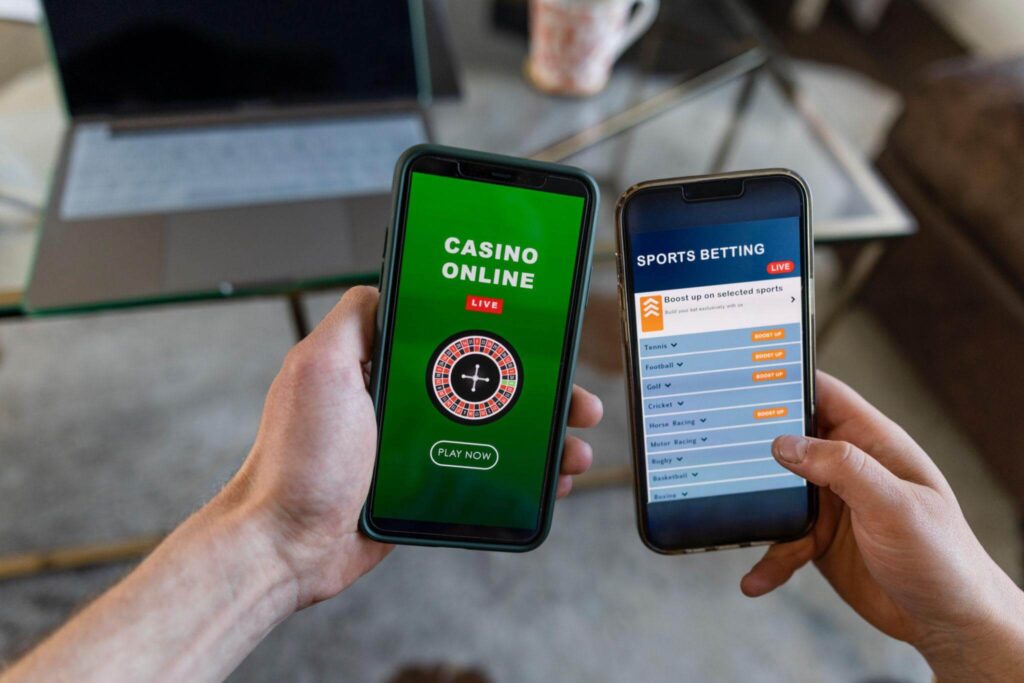
Smartphones transformed gambling habits completely.
Modern users gamble:
- during short breaks
- while commuting
- casually at home
- during sports events
- alongside other entertainment
This encourages:
- shorter deposits
- lighter engagement
- lower bet sizes
- frequent micro-sessions
The old image of marathon casino sessions is increasingly being replaced by lightweight entertainment bursts.
3. Casual Audiences Are Entering Gambling
The gambling audience is broader than ever before.
Modern platforms now attract:
- casual gamers
- social casino users
- esports audiences
- mobile-first generations
- younger adults
- entertainment-focused users
Many of these players have little interest in:
- professional gambling
- high-risk betting
- aggressive wagering strategies
They simply want engaging experiences with manageable spending.
This creates demand for:
- lower minimum bets
- simpler mechanics
- softer volatility
- entertainment-focused design
Low-Stakes Gambling Is More Sustainable
For many players, smaller betting creates healthier long-term experiences.
Reduced Emotional Stress
High-stakes gambling creates intense emotional swings:
- anxiety
- frustration
- impulsive decision-making
- loss chasing
Lower stakes reduce psychological pressure.
Small wagers allow users to:
- stay relaxed
- enjoy gameplay longer
- focus on entertainment
- avoid panic-driven betting
This creates more stable engagement patterns.
Longer Sessions for Smaller Budgets
One major appeal of low-stakes gambling is session longevity.
Instead of burning through €100 quickly, players can stretch:
- €5
- €10
- €20
across longer gameplay sessions.
This creates better entertainment value.
For many users, time spent enjoying the experience matters more than maximum win potential.
More Social and Casual Atmosphere
Lower-stakes environments often feel:
- friendlier
- less intimidating
- more community-driven
- more accessible for beginners
This helps casinos attract wider demographics.
Operators Are Adapting Quickly
Casinos and sportsbooks are already redesigning platforms around recreational behavior.
Lower Minimum Deposits
Many operators now promote:
- €1 deposits
- micro-wallet systems
- instant payment access
- flexible bankroll options
The goal is reducing barriers to entry.
This appeals strongly to casual audiences unwilling to commit large amounts upfront.
Softer Volatility Games
Game developers increasingly design titles around:
- smaller but frequent wins
- smoother bankroll curves
- reduced emotional volatility
- longer play sessions
These mechanics keep sessions enjoyable without requiring large budgets.
Entertainment-first design is replacing pure jackpot-focused design.
Subscription and Loyalty Models
Some platforms are experimenting with:
- monthly memberships
- entertainment passes
- low-cost VIP tiers
- casual reward ecosystems
This mirrors trends from:
- Netflix
- gaming subscriptions
- battle passes
- mobile gaming monetization
The gambling industry increasingly sees retention and engagement as more valuable than extreme spending spikes.
The Rise of “Comfort Gambling”
An interesting psychological trend emerging in 2026 is comfort gambling.
Many players now use gambling similarly to casual gaming or streaming:
- background entertainment
- stress relief
- light engagement
- routine relaxation
This often includes:
- low-stakes slots
- bingo
- casual blackjack
- social casino games
- live game shows
- low-risk sports bets
The emotional experience becomes more important than aggressive risk-taking.
This shift is reshaping casino UX entirely.
Entertainment Is Becoming More Important Than Winning
Perhaps the biggest industry transformation is philosophical.
Traditional gambling centered around:
- winning money
- risk
- competition
- high adrenaline
Modern low-stakes gambling increasingly centers around:
- immersion
- atmosphere
- progression
- gamification
- social engagement
- entertainment pacing
Players increasingly enjoy:
- achievements
- unlockables
- community features
- seasonal events
- loyalty progression
- interactive mechanics
The gambling itself becomes only part of the overall experience.
Social Casino Influence Is Expanding
Social casinos played a major role in shaping this trend.
The growing popularity of entertainment-first gambling experiences can already be seen in Social Casino Apps – Why Players Love Them Even Without Real Money Wins, where progression systems and casual engagement matter more than real-money payouts.

Millions of players already engage with:
- virtual chips
- no-cash gambling mechanics
- leaderboard systems
- casual spin sessions
- social progression loops
These platforms normalized entertainment-first gambling behavior.
Now real-money casinos increasingly adopt similar systems:
- softer gameplay
- lower-pressure environments
- community features
- progression systems
- casual-friendly mechanics
The line between gaming and gambling continues to blur.
Sports Betting Is Also Going Micro
The same shift appears in sports betting.
Instead of large pre-match wagers, many users now prefer:
- micro-bets
- live betting
- small accumulators
- entertainment parlays
- casual event betting
For example:
- €1 same-game parlays
- small in-play wagers
- social prediction games
The emphasis increasingly becomes participation and excitement rather than serious profit expectation.
Why Casinos Love Recreational Players
Interestingly, recreational users can be extremely valuable for operators.
More Stable Revenue
High rollers are volatile.
Casual players provide:
- consistent engagement
- predictable retention
- diversified revenue
- lower compliance risk
Large casual audiences create stable ecosystems.
Lower Responsible Gambling Risk
Low-stakes players generally create:
- fewer extreme losses
- lower financial harm risk
- more sustainable gambling patterns
This aligns better with modern regulatory expectations.
Better Long-Term Retention
Entertainment-first players often remain active longer because:
- sessions feel enjoyable
- losses remain manageable
- emotional pressure stays lower
This creates healthier engagement cycles.
But There Are Risks Too
Despite the positives, low-stakes gambling is not automatically harmless.
Longer Sessions Can Still Become Problematic
Small bets may feel safe, but extended sessions can still lead to:
- cumulative spending
- time loss
- behavioral dependency
- habit formation
Players sometimes underestimate long-term spending because individual bets feel insignificant.
This is why responsible gambling tools like deposit limits, reality checks, and session reminders are becoming increasingly important, as discussed in Play Smarter, Stay in Control: Tools That Make Gambling Healthier.
Gamification Can Increase Engagement Excessively
Modern low-stakes systems increasingly use:
- achievements
- streaks
- progression bars
- reward loops
- notifications
These mechanics may encourage:
- compulsive engagement
- routine dependency
- excessive session frequency
Critics argue some systems resemble mobile gaming addiction models.
Casual Players May Misjudge Risk
Because low-stakes gambling feels lighter and more entertainment-driven, some users become less cautious.
This can create:
- normalization of constant gambling
- reduced awareness of spending
- underestimation of long-term losses
The casual atmosphere sometimes masks cumulative financial impact.
Regulation Is Following the Trend
Regulators increasingly recognize that gambling is becoming entertainment-centric.
As a result, new discussions focus on:
- session transparency
- spending visibility
- gamification ethics
- low-stakes behavioral patterns
- casual audience protections
The future of regulation may focus less on large losses alone and more on:
- engagement intensity
- time spent gambling
- behavioral dependency
This is especially important as gambling increasingly overlaps with gaming culture.
The Future of Low-Stakes Gambling
Looking ahead, the trend will likely accelerate.
Future gambling ecosystems may include:
- ultra-low micro-betting
- entertainment subscriptions
- social-first casino platforms
- personalized low-risk experiences
- AI-managed bankroll tools
- casual-friendly live games
- progression-based ecosystems
Casinos may increasingly resemble:
- gaming apps
- entertainment hubs
- social platforms
rather than traditional gambling environments.
Will High-Stakes Gambling Disappear?
No.
There will always be markets for:
- VIP gambling
- professional bettors
- high-risk players
- jackpot chasers
But the industry’s center of gravity is shifting.
The future growth engine increasingly appears to be:
- casual players
- entertainment gamblers
- low-budget sessions
- mobile-first audiences
- social gambling ecosystems
This creates a broader, more mainstream gambling culture.
Final Thoughts
The rise of low-stakes entertainment gambling reflects a deeper transformation happening across the entire gambling industry.
Players increasingly prioritize:
- enjoyment
- affordability
- immersion
- convenience
- session value
over extreme risk and massive payouts.
This shift is reshaping how casinos design games, structure bonuses, build loyalty systems, and approach player retention. Low-deposit casinos, softer volatility games, social mechanics, and entertainment-first platforms are rapidly becoming mainstream.
For many users, gambling is no longer about trying to get rich.
It is about:
- relaxation
- excitement
- community
- casual engagement
- affordable entertainment
This creates opportunities for healthier, more sustainable gambling experiences.
But it also introduces new challenges:
- longer engagement cycles
- behavioral dependency risks
- gamification concerns
- normalization of constant gambling
As the industry evolves, the balance between entertainment and responsibility will become more important than ever.
Because the future of gambling may not belong to the loudest jackpots or biggest bettors.
It may belong to the millions of casual players simply looking for a fun, affordable way to spend their time.
Sources: